Book Series Cover Design is Essential in Book Publishing
Contents
Planning a series of books? How can you make sure your books all sit together . . . while still standing out?
First up, figure out what ties your books together
What is it that makes your book a series? Is it the characters? Is it a theme? Creating series books is all about tying the books together so that your reader can tell they go together at a glance. That means that you want to focus in on whatever it is that makes your book a series. Is it the same characters? Make sure to show them on the cover. Is it a street name? Make that part of your series name and use it on each of the books.
Second, figure out which elements can remain the same from book to book
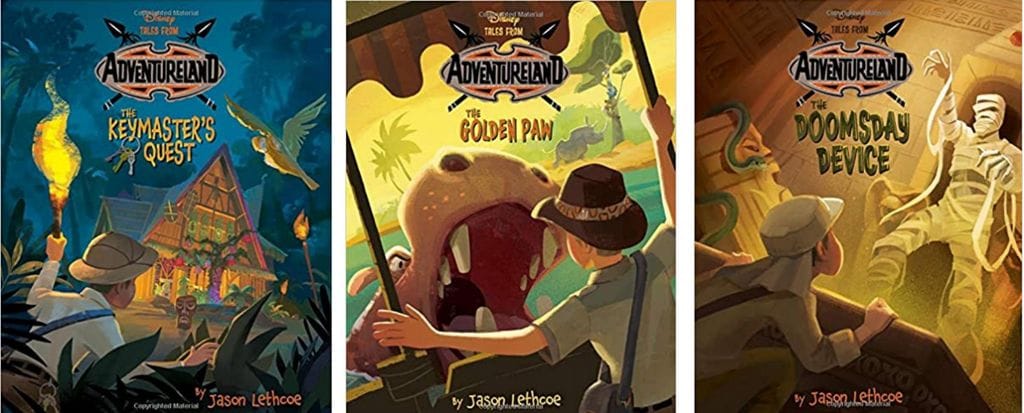
While you don’t want every book to look the same, something about your books does need to remain the same. One of the best options is your title lockup. (How your series name and title name sit together, and where they go on the page.) Take a look at this example from the Tales from Adventureland series I worked on. Notice how the series title and book title always sit together at the top? It’s literally the only thing that looks the same across the three books, but with such a strong series branding, it’s easy to tell these three books go together.
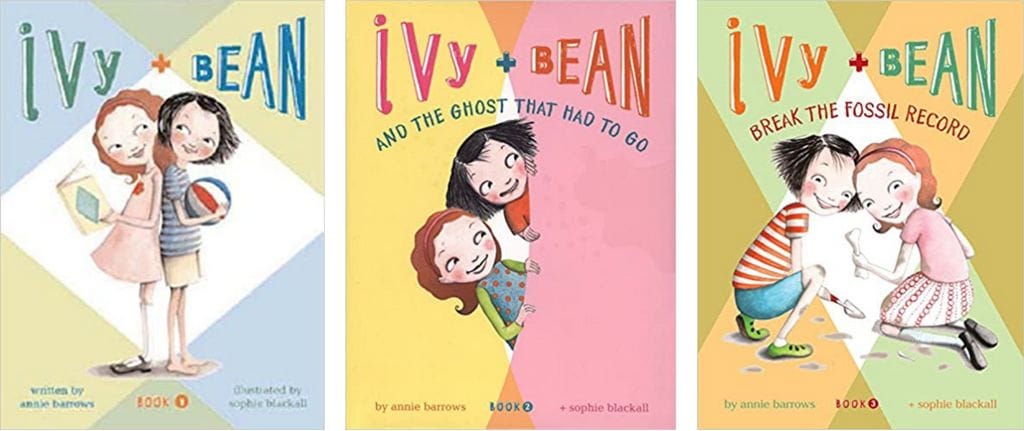
Here’s another example from Ivy + Bean. Again, the branding is consistently placed and large enough to make it clear that this is a series. In this case, we also see the same two characters on each book, an extra indicator that these books go together.
Finally, figure out how to make each book stand out
The trouble with series books is that they can all start to bleed together. As a parent, you often know what you already own, but books often aren’t purchased by parents. They are bought by grandparents, by aunts or uncles, by friends. And they don’t always know what’s on the shelf. But if they’ve read the books, something may stick with them.
So, how can you differentiate? Two key ways:
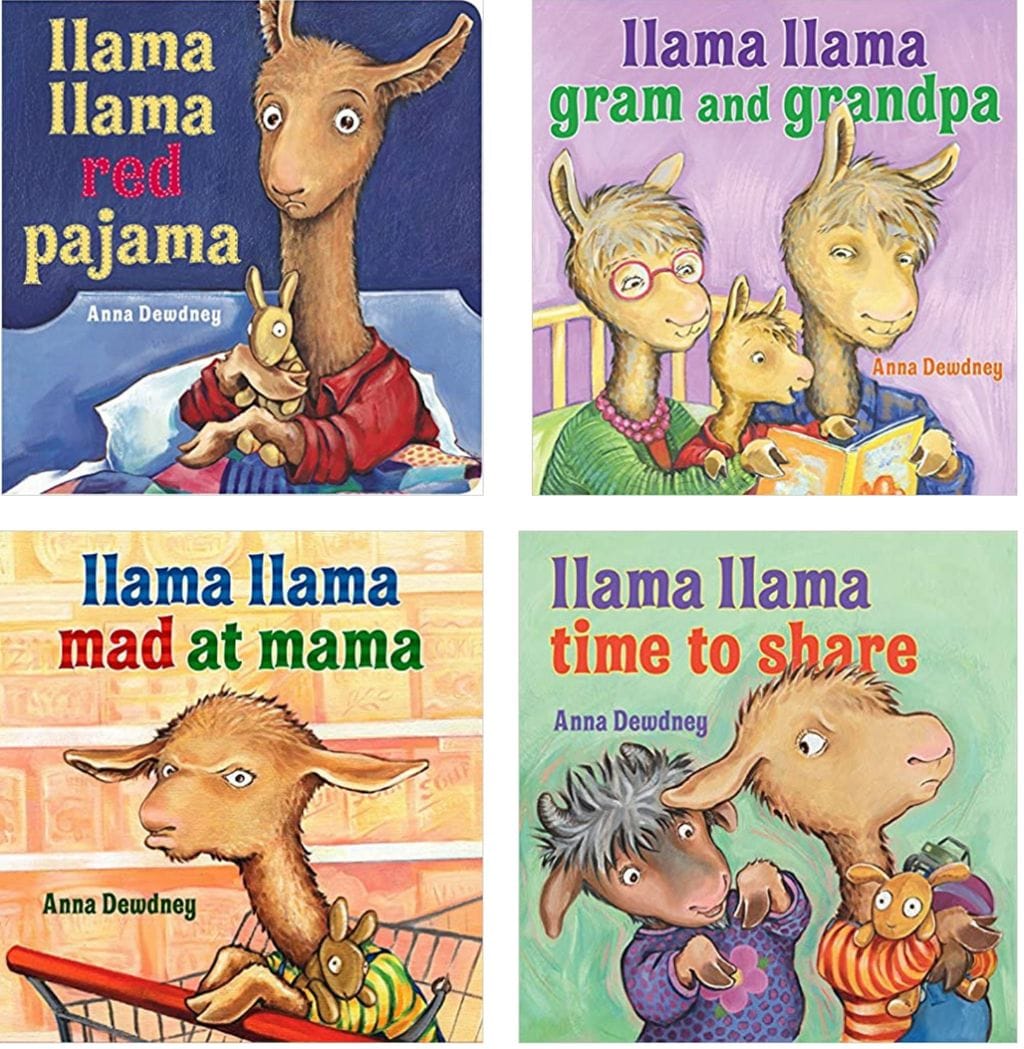
1) Make sure each book conveys its own emotion. Is it a book about love? Is it a book about anger? If your cover can make an emotional connection with a casual reader, chances are good that it will stick with them enough to say “I’ve got the mad one. I’ve got the silly one.”
2) Give each book its own color! Of all the thing I’ve learned over the years, there is one that has stuck with me more than any other, and that’s the fact that it’s too easy for someone to just say “I already have the red one.” Which means if you have three books with red covers, they’re probably going to pass on all of them. Varying color gives the casual reader an easy way to say “Oh, I don’t have the green one yet!”
This works really for little kids, too, who may not always remember the names of the books they want to read. On more than one occasion my kids have said, “I want the pink Mercy Watson!”
Take a look at these examples from Llama Llama, which actually manage to capture both of these ways of differentiating colors.
Don’t forget your spines
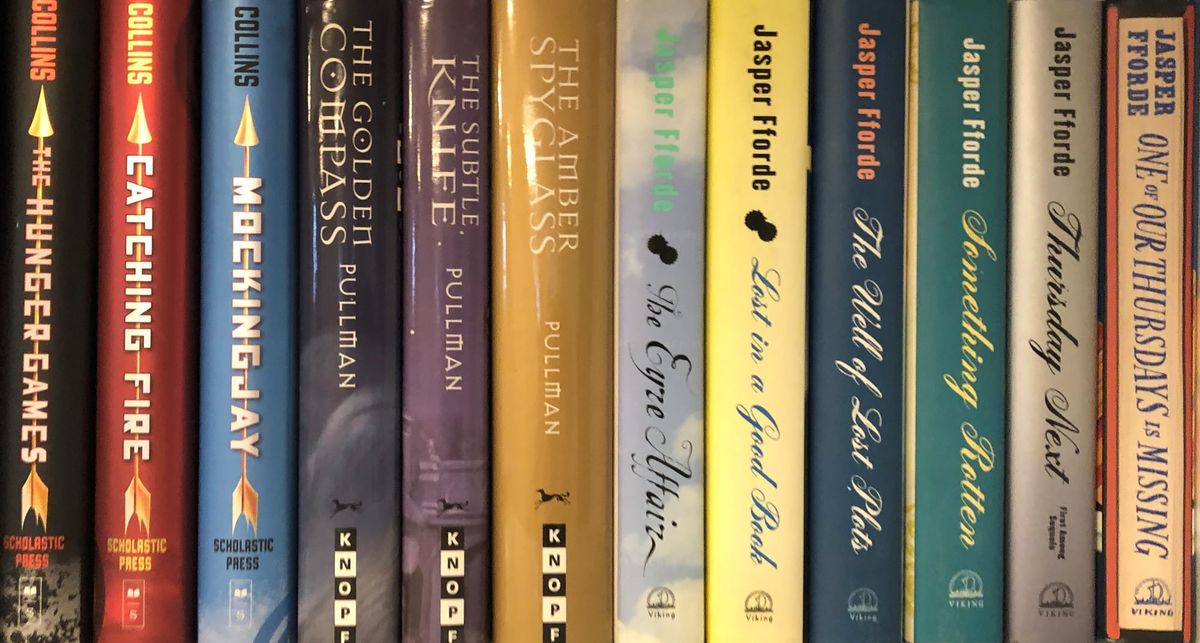
While lots of books are bought online, where you see the front cover, that’s not always true. At a bookstore, many books are shelved spine out. So make sure your spines tell a story, too. If all you can see is the spines, will you know they go together?
Take a look at this example from Hunger Games. Notice how the arrow goes through all the spines, tying them together?

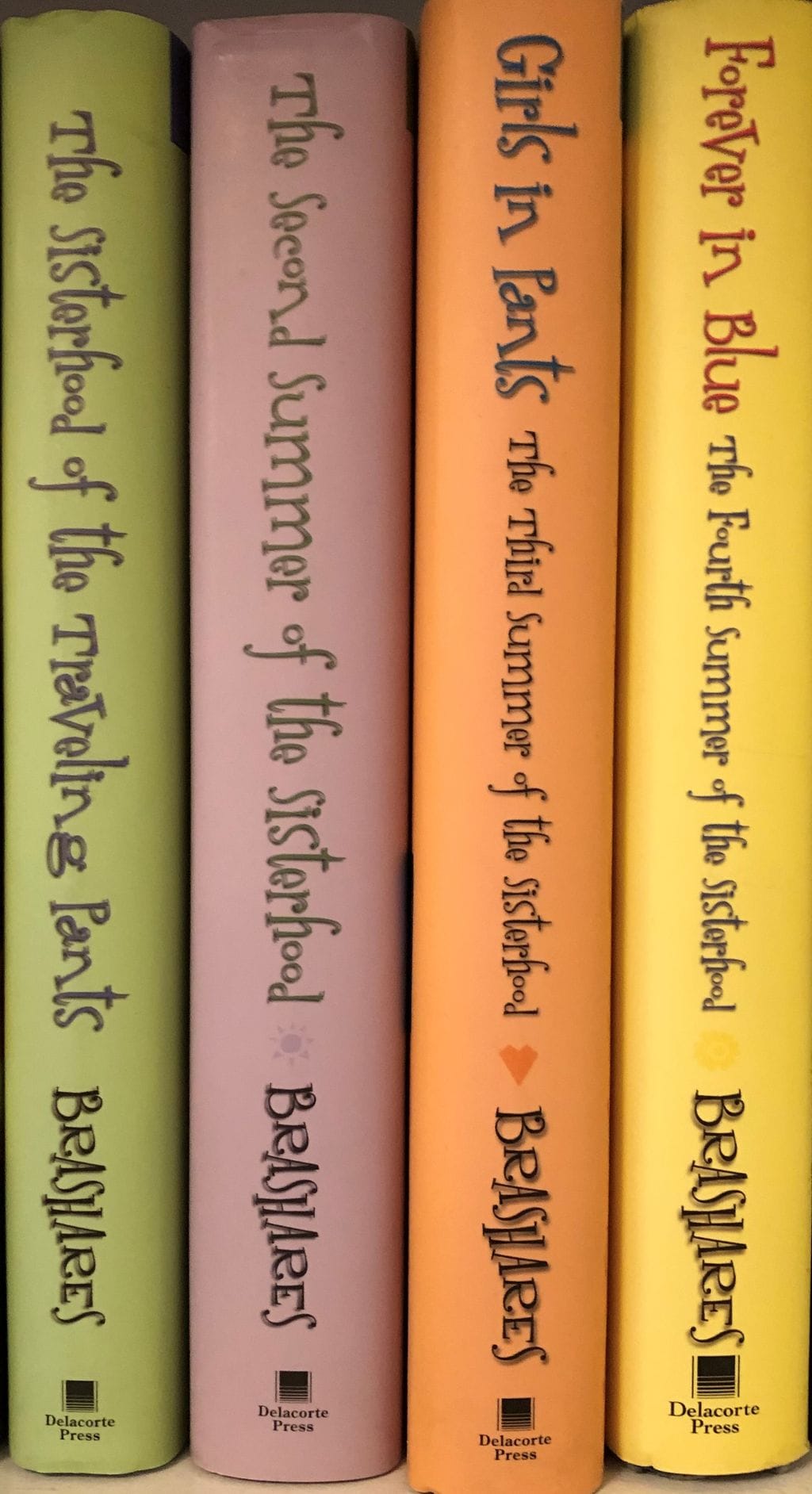
Here’s another set from The Sisterhood of the Traveling Pants. The font ties these together, as does the subtitle on each book.
One last tip
Look for unique ways to tie your books together. Not every series will have a way, and that’s okay. But if you can find something memorable, it’s sure to stick with your readers.
Take a look at how the four books in The Darkest Minds series by Alexandra Bracken sit together:
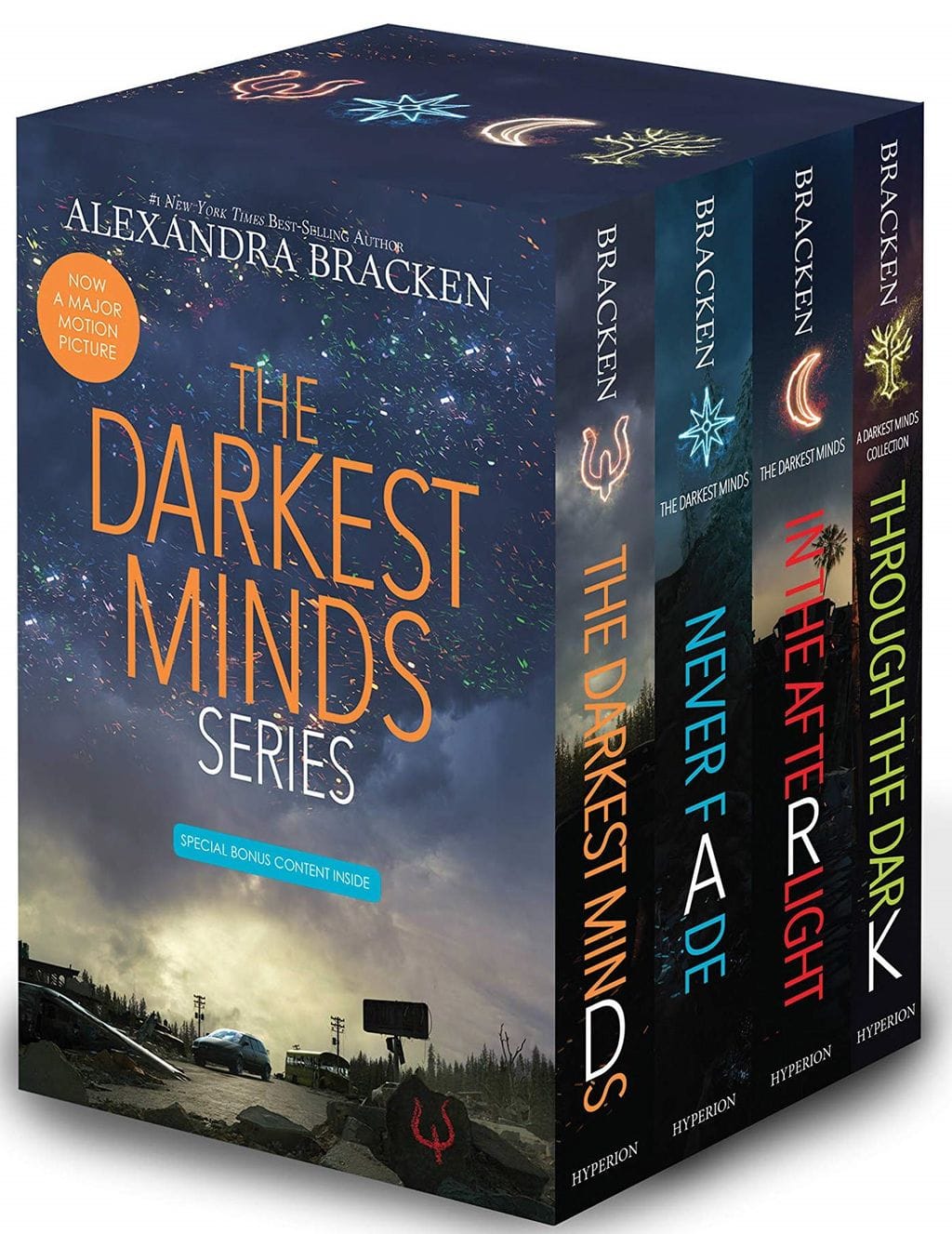
The highlighted letter in each book brings the whole series together. And the four titles together form a sentence: The darkest minds never fade in the afterlight through the dark.
Planning like that takes time and means knowing you are planning a series that really goes together. But if you do know that’s the plan, think ahead about what you can do to bring it all together in the end! And remember, if you're writing series, it's not just the covers that have to be consistent, but the content, too. Check out Why Is a Style Guide Essential to Writing a Series?