What Is an Indie Author: An Indie Author's Perspective
Contents
What are indie authors?
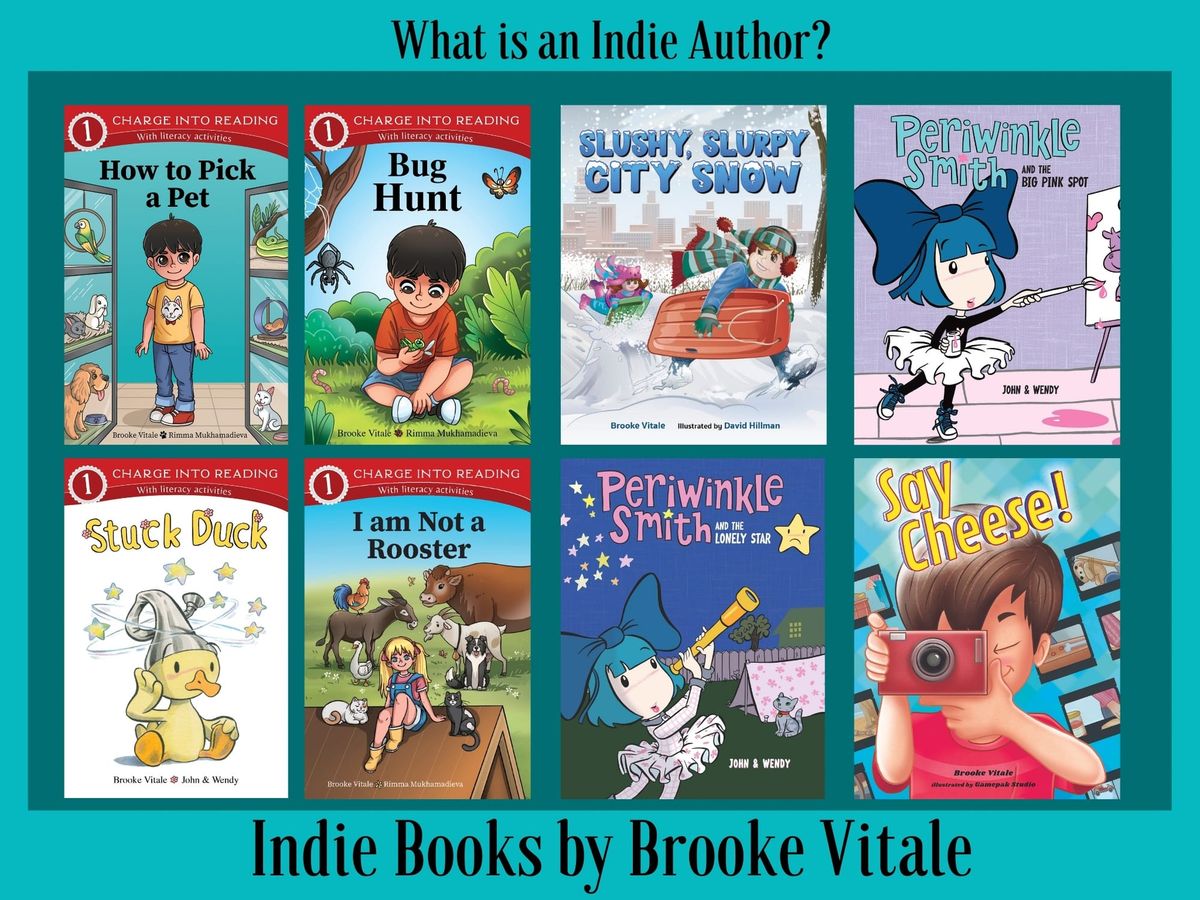
Indie authors are any author who publishes their book or magazine independent of a publishing company. Rather than relying on a company to edit, design, hire an artist, market, and distribute a book, an indie author takes on those roles themselves. That is not to say that that an indie author does all of this work alone. Far from it. Instead, an indie author takes control of each stage of the publishing process, self-managing what they can and hiring independent contractors to fulfill the roles that they cannot. It is important to note that even when hiring outside contractors, an indie author is still responsible for all decision making, and more importantly for all financial obligations associated with publishing a book.
What is the difference between an indie author and a self-published author?
In reality, there is no difference between the two. An indie author is a self-published author. But over the years the term “self-published” has come to be associated with low quality work, in part because when self-publishing first began, authors did not have access to the resources they do today. Many independent authors these days put out books that could (and do!) rival those put out by traditional publishing companies. But the stigma of the term still remains, which makes many authors prefer the term “indie.”
Actual semantics aside, one could argue that a self-published author is one who chooses to publish a book either for their own ego or because they wish to create a keepsake for friends and family. Their concern is having a book out in the world, rather than actually selling the book.
Indie authors, by comparison, are typically out to make a business out of publishing books. They are not releasing a single book, but a whole catalog of books. They have marketing and distribution plans in place and understand that to sell books, they will need to create a high-quality product. Many independent authors still hold day jobs, but there are quite a few who dedicate all of their time to turning their publishing business into a success. For independent authors, simply having a book out there is not enough. They want book publishing to be their career!
What are the benefits of being an indie author?
There is a common misconception in the publishing world that indie authors are indie authors simply because they couldn’t get a publishing deal at a trade publisher. And while that may once have been the case, these days indie authors decide to go it alone for a variety of reasons—and not being able get a book deal is rarely one of those reasons. Instead, indie authors choose their path because they prefer the perks of indie publishing which are:
Control
Having full control over the decision making process is one of the top reasons that indie authors decide to go it alone. Many authors fear that in an attempt to make their book commercially viable, publishers will water down their messages or ask for changes an author is not comfortable with. Picture book authors often worry that they won’t like an artist chosen to illustrate their book, and that handing control over to a publisher means their vision for a book will not be achieved. By choosing the indie publishing path, authors are able to retain control over their material, ensuring that the book that goes out into the world is the story they want to tell, not the story a publisher thinks they should tell.
Faster timelines
Many indie authors are eager to get their books on the shelves and in front of readers. This is particularly true of authors who are working on time-sensitive subjects. Pursuing the traditional publishing path typically means waiting at least two years from the time a book is acquired until it is published, and that does not count the time to shop it around. Indie authors are able to publish on their own timelines. Books published by indie authors can be on-sale in as little as a week from the time the files are ready. This allows indie authors to push out more books in a shorter period of time, often resulting in a more loyal and faster-growing fan base.
Higher profits
It’s true, not every indie author will make a lot of money on their books. But if they don’t, they probably weren’t going to make any more through a traditional publisher. The truth is, even when it comes to traditional publishing, the bulk of marketing a book usually falls to the author. They are the ones who must arrange readings, school visits, and booths at fairs. Authors are still responsible for building their own platforms and developing a fan base. The difference is, in traditional publishing, an author’s reward for their hard work is 10% of the book’s sales. Indie authors receive 100% of the book’s sales (minus expenses) for the same amount of effort. Which means that an author who is truly grinding and producing high book sales stands to make a lot more money by going in themselves and keeping all of the profit for themselves.
Greater variety in genre
The traditional publishing world is narrow. A publisher’s job is not to acquire good books, but to acquire good books that they can sell! And selling a hundred or a thousand copies isn’t good enough. Which means there are plenty of genres that a publisher won’t touch, either because they don’t feel the books will be successful enough or because they don’t feel there’s a space on a store shelf for them. But indie authors often hand-sell books or sell from their own websites, which means they are not as restricted by the conventions of traditional book publishing. The result is that indie authors can venture into territories that traditionally published authors cannot, and can spend the time focusing on finding their niche audiences to sell that book to!
Of course, being an indie author is more than just fun and games. Being an indie author comes with a lot of responsibility. Publishing a book is no easy task, and it’s always a good idea to understand what goes into the process before jumping in with both feet. If being an indie author sounds like it might be a right fit for you, take a look at my article How to Self Publish a Children's Book: An Essential Guide to ready yourself for your publishing journey!