Amazon Editorial Reviews: An Author's Best Marketing Tool
Contents
What are Amazon Editorial Reviews?
Amazon editorial reviews are product reviews that come from legitimate reviewers, or experts in a given field. For books, these reviewers may include book review sites, prominent authors, newspapers, or magazines to name a few. These reviews come not from book buyers who may or may not like a book, but from seasoned pros who are trained to analyze and book and recommend books.
Why are editorial reviews important?
- Editorial reviews come from legitimate sources, which means tend to carry more weight with potential buyers. But as an author, there are other reasons to seek editorial reviews:
- Editorial reviews do not require proof of purchase to post (although being able to cite the source of the review if asked is a good idea.) Rather than waiting for buyers to review a book, editorial reviews allow an author to actively solicit book reviews.
- Editorial reviews are posted by the author, not by the buyer. This gives an author a say over whether they are posted. (Bad review? No need to share it!) It also give an author the ability to pull out only the most engaging part of the review.
- Editorial reviews are not grouped with customer reviews. Instead, they appear on a book’s detail page as part of the relevant information about a book.
- Unlike customer reviews, which cannot be posted until after a book goes on sale, editorial reviews can be posted before a book’s on-sale date. As such, they are a great tool for driving preorders, and later sales.
In many cases, editorial reviews will be published on the reviewer’s own platform, which offers a broader reach than just relying on customer reviews on Amazon.
How to get Amazon Editorial Reviews
Editorial reviews can come from anywhere. Unlike Amazon customer reviews, editorial reviews do not follow strict guidelines on who can write the review. Friends, family, your dentist . . . they are all qualified to write editorial reviews. But that doesn’t mean they SHOULD. Focus on finding expert reviewers whose names will resonate, and who will mean something to potential book buyers. Here are some ways to find editorial reviewers:
Reach out to authors in your genre
There’s no guarantee that authors you reach out to will respond, but it never hurts to try. Do your research to find authors who write in the same genre as you. Ask them to read your book and give a testimonial. Just don’t be upset if they turn you down or don’t respond.
Reach out to book review sites and book bloggers
There are thousands of book bloggers out there, and they are all looking for great books to review. While some will offer reviews completely free of charge, others will charge a fee for doing so. Do your research into book review sites or book bloggers who tend to review books in your genre and ask them if they’d be willing to read your book.
Pro Tip: When reaching out to book “influencers” on social media, make sure to check a reviewer’s engagement. Having a huge following is not the same as having a following that engages with posts. For a book reviewer to be worth your time, they need to have an engaged audience.
Engage a book review company
For many authors, this is the easiest way to secure editorial reviews. Companies such as Kirkus, Publisher’s Weekly, and Readers’ Favorite offer guaranteed book review options, for a fee. Because these are recognized brands within the book industry, editorial reviews from these sources can go a long way toward encouraging a reader to pick up a book, and in some cases may also incentivize libraries and book stores to stock a book.
Join a book review site
Companies such as Edelweiss+ and NetGalley allow authors to share their books with reviewers hungry to find new books. Each service comes with a fee, but if used properly, they are a great way to reach more reviewers.
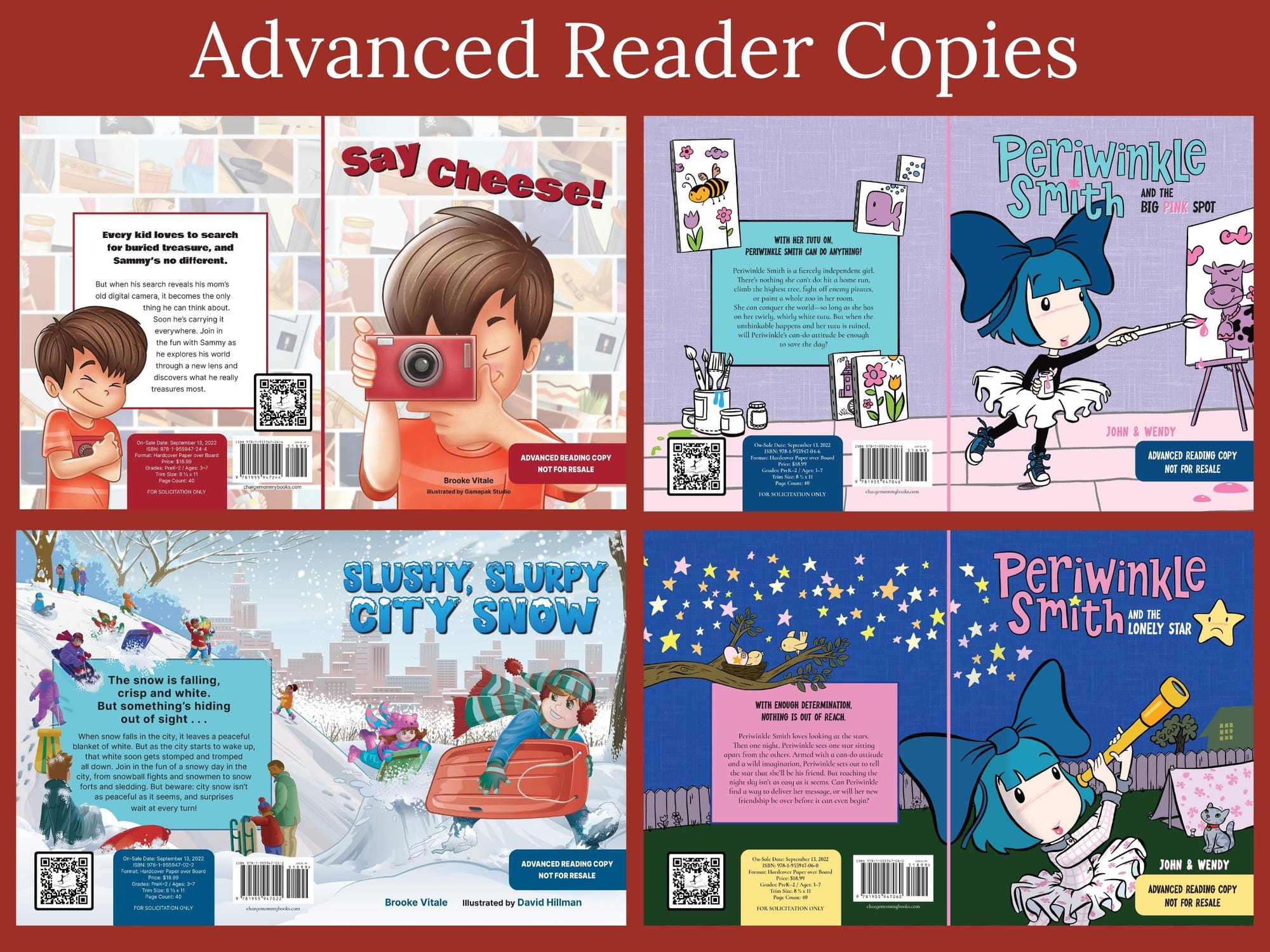 Related articleAdvanced Reader Copy: How to Get Books before They're PublishedAn advanced reader copy (ARC) is a pre-published version of a book. Learn how to get a book before it's published, how to print ARCs, and how ARCs drive reviews. Includes sample advanced reader copy language and ARC examples from top publishers.Read the article →
Remember, all book reviewers have their own policies for how books should be submitted. Some ask only for a digital copy while others require a physical copy. Be sure to read any reviewer’s guidelines carefully and follow their submission requirements exactly.
How to create an Amazon Editorial Review
1. Log into your author central page
2. Navigate to the books tab on your page.
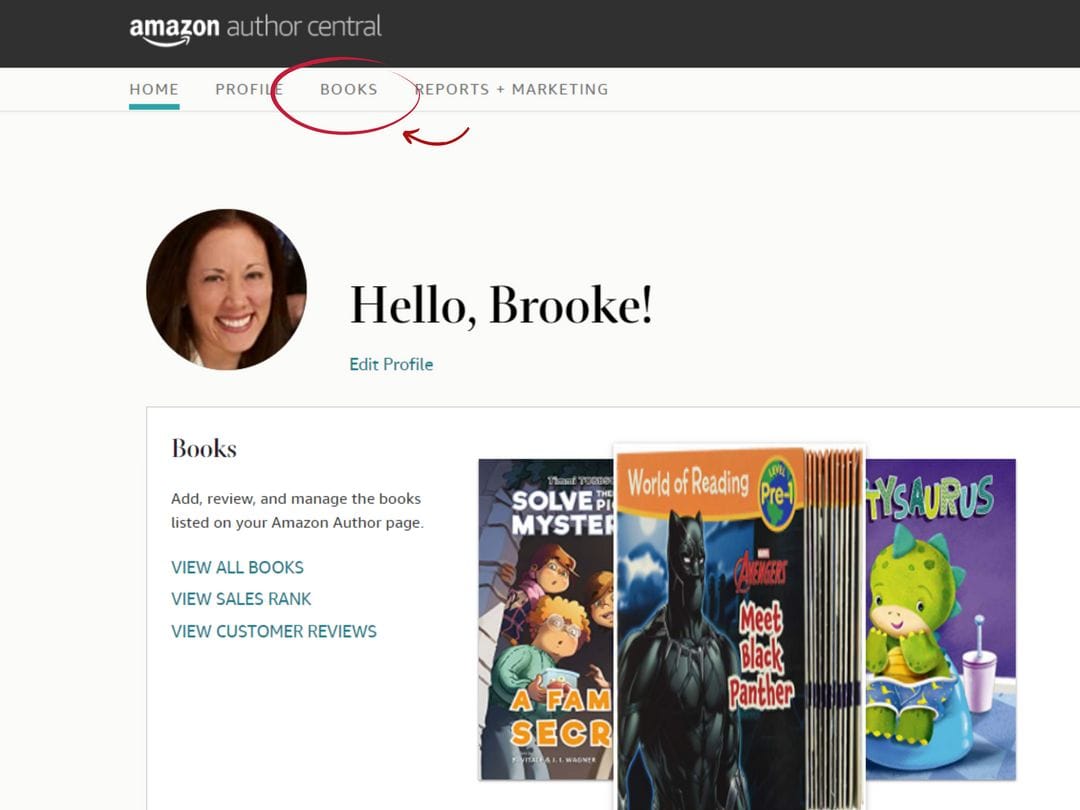
3. If you have not done so yet, claim the title under your author name.
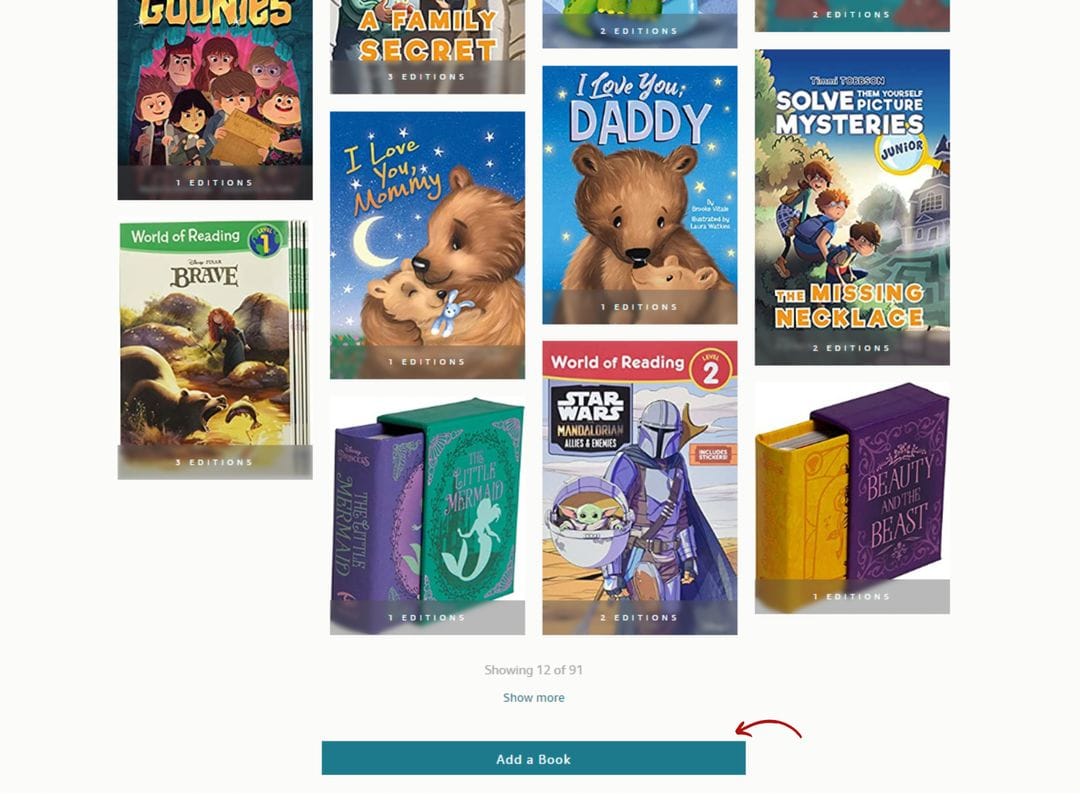
Pro Tip: In order to add a new book, scroll to the bottom of your books page and select “Add a book.” Type in the name of your book and select the one(s) you are looking for.
4. Search the book name
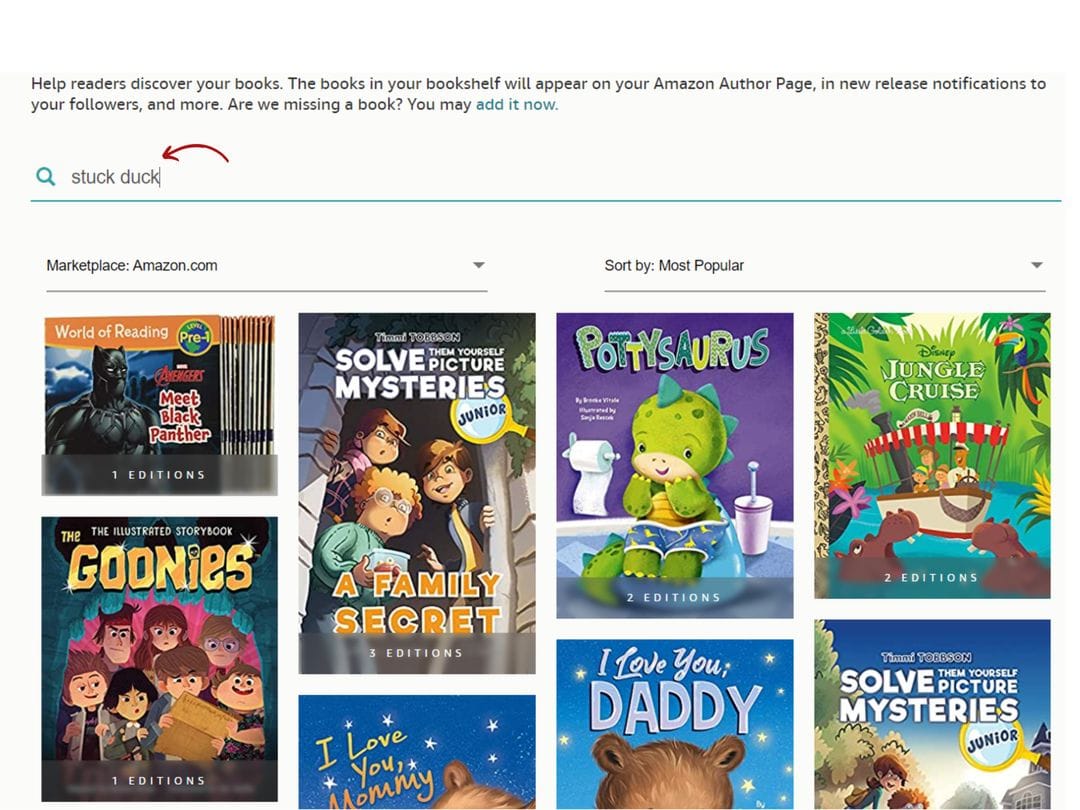
Pro Tip: If there is more than one edition of your book, select one to add a review to.
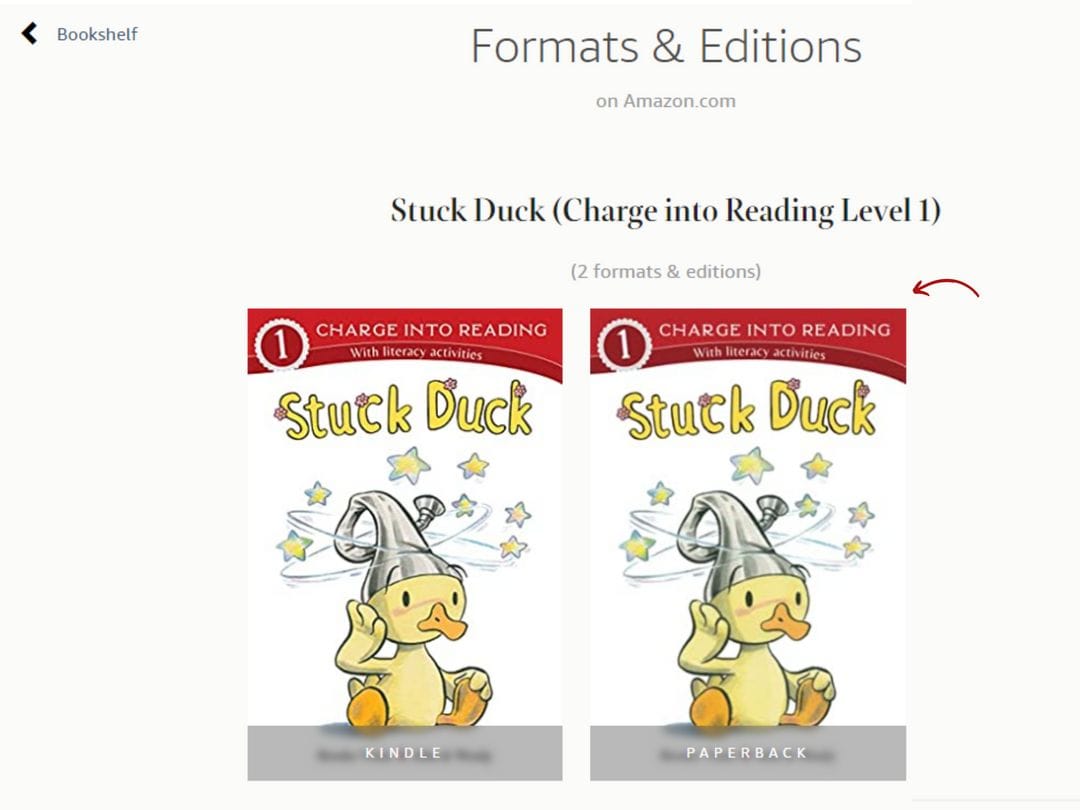
5. Select “Edit book details”
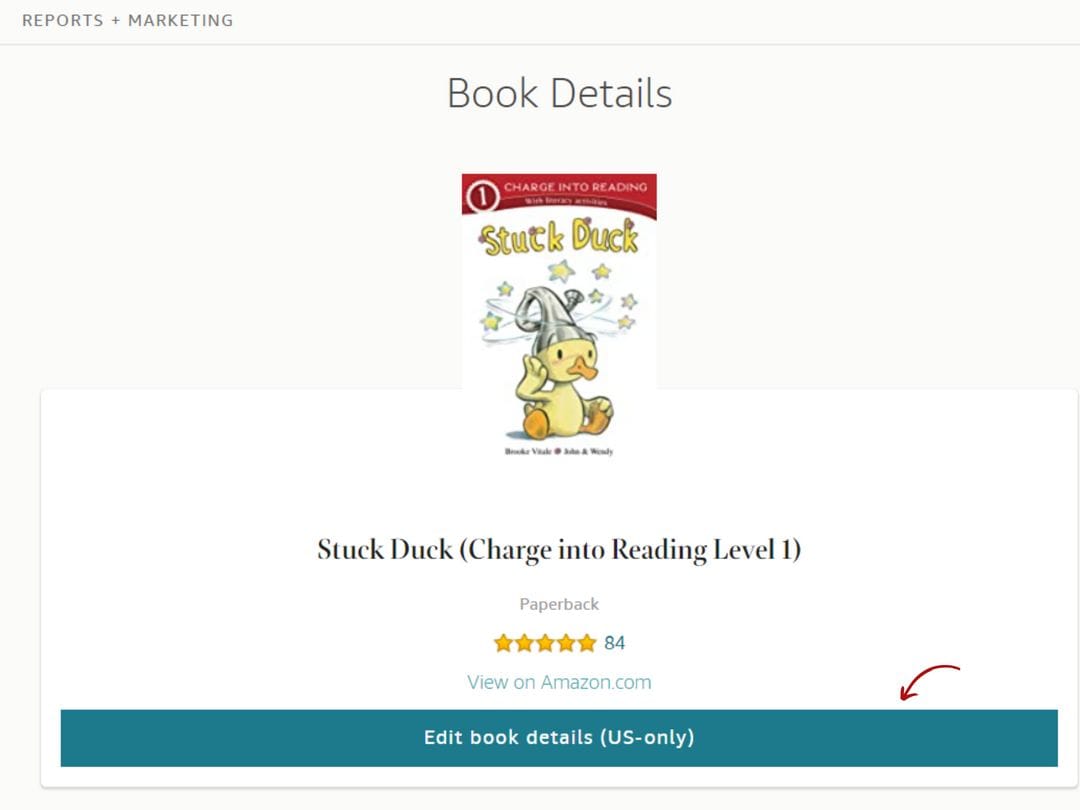
6. Select “Add review”
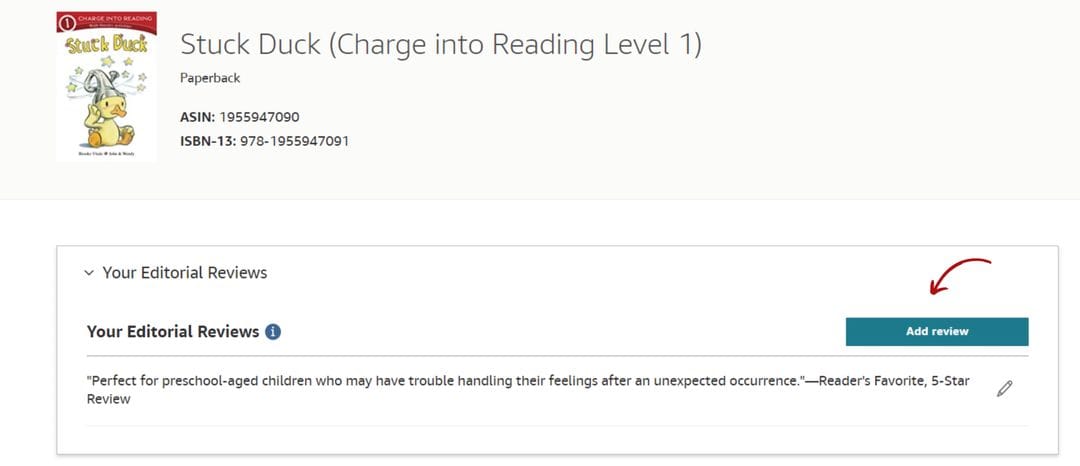
7. Enter your editorial review
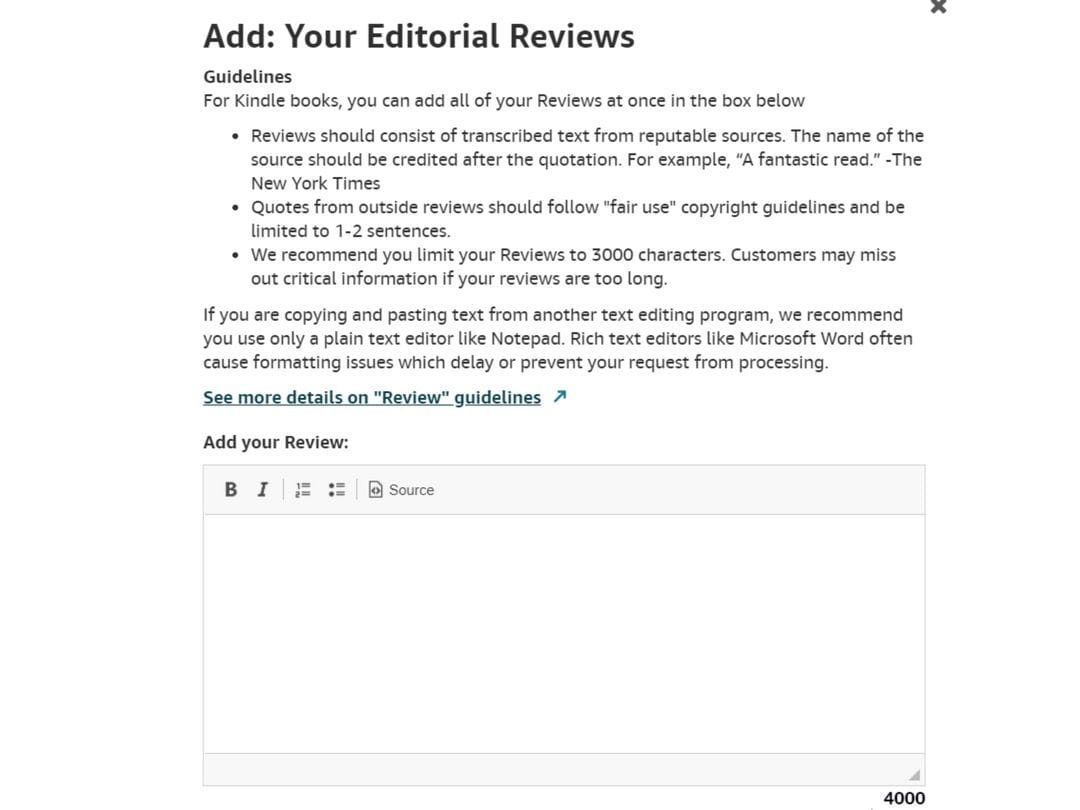
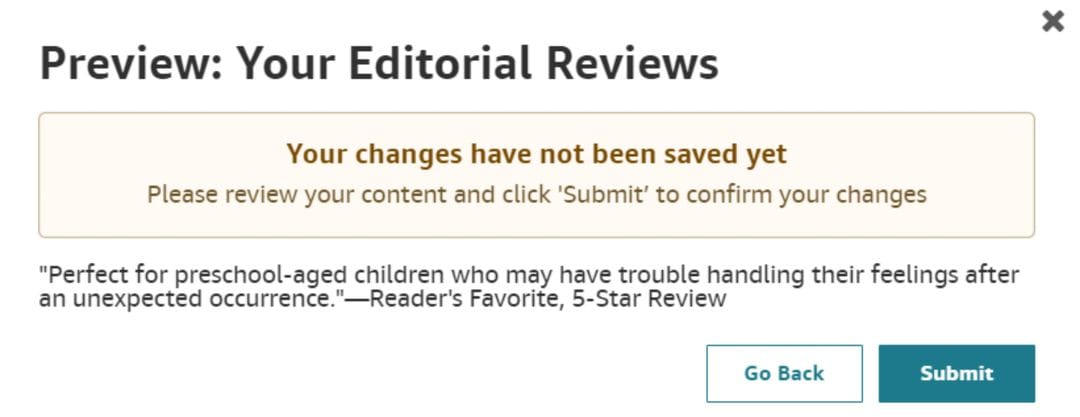
8. Preview and submit your review
How to design an editorial review
Editorial reviews are a great tool for authors, but only if used correctly. Follow these tips to make the most of your editorial reviews:
Make your review stand out
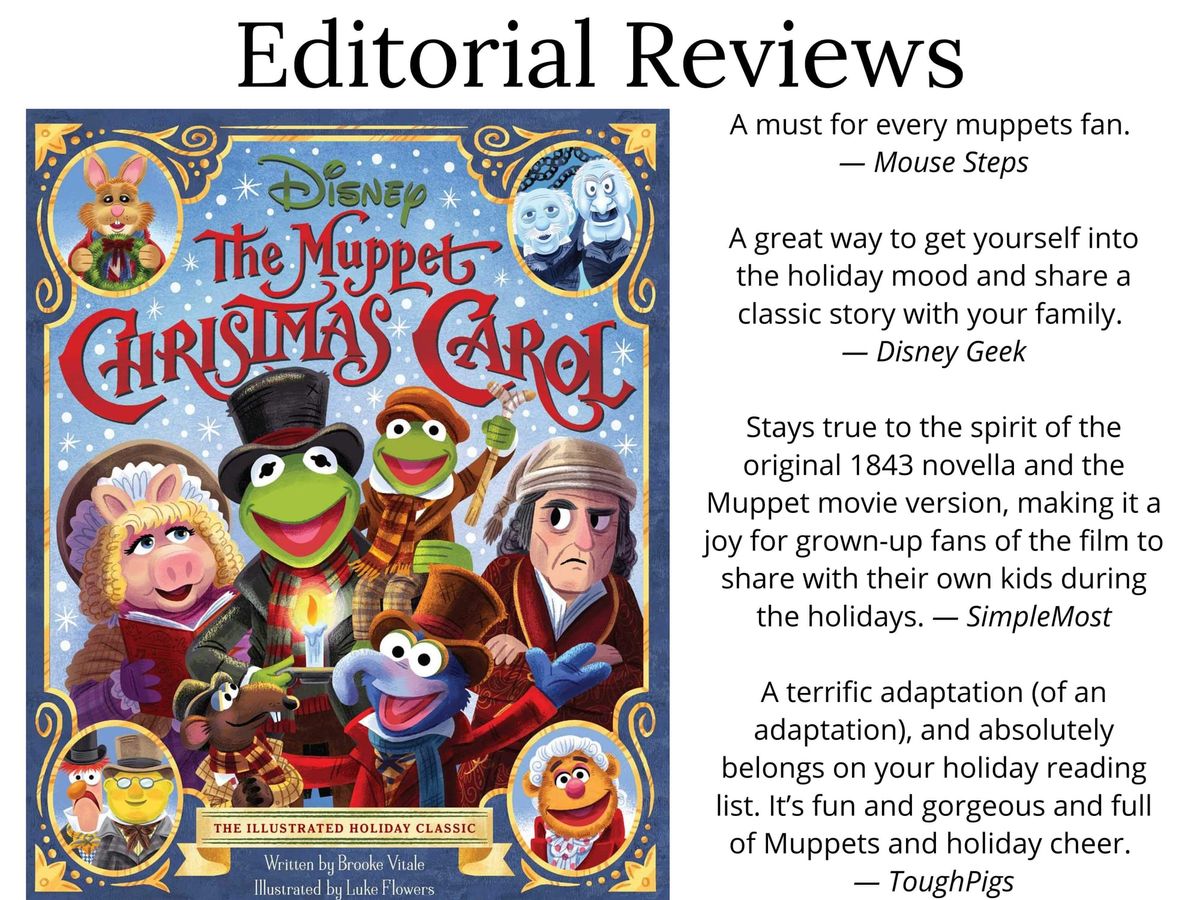
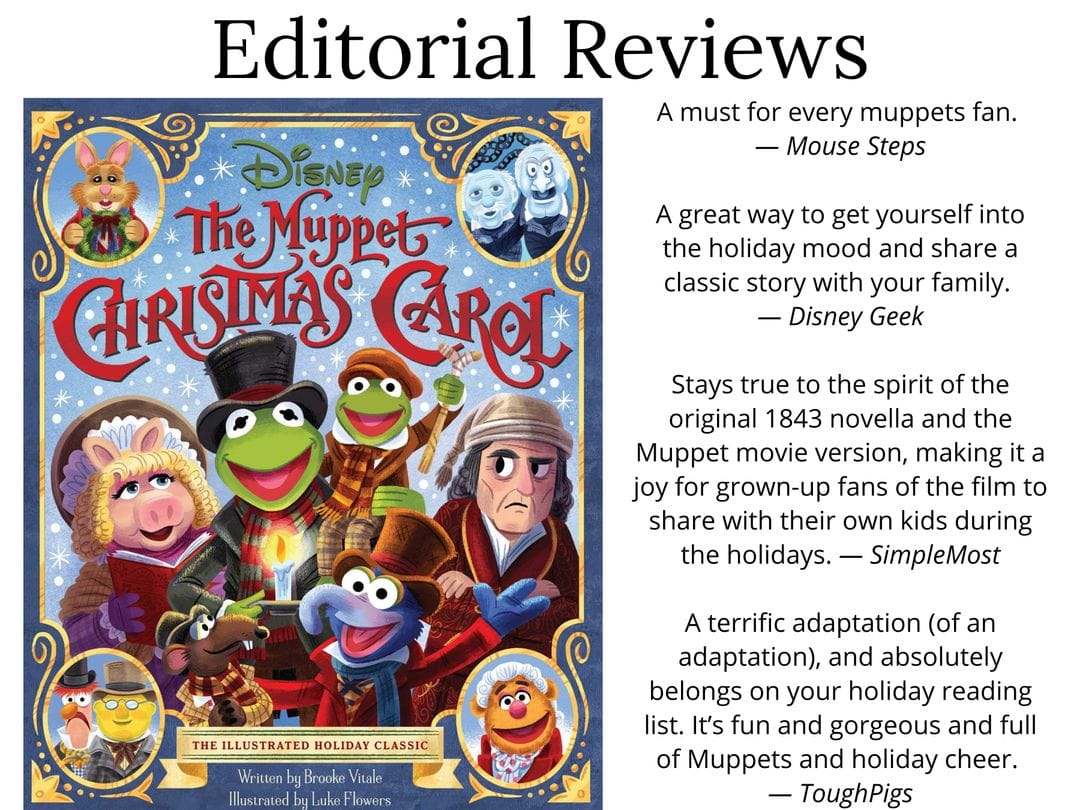
Keep in mind that editorial reviews can be long, usually falling between 400 and 700 words. A potential book buyer doesn’t need that much information from an editorial review. Pick out the best sentence or two for use in the editorial review. A short review will catch a reader’s eye far faster than a long one.
Credit and highlight the reviewer
The truth is, book buyers likely won’t care what a reviewer has to say. They care who the reviewer is. Make sure the reviewer’s name stands out by setting it in bold or italics at the end of the review. If your reviewer’s credentials will be of value to your reader, make sure to highlight those, too. For example, a best-selling author or an expert in the topic your book covers.
Pro Tip: If the review comes from a website or review company that utilizes multiple reviewers, cite the name of the company, not the specific reviewer. Save reviewer names for ones readers will recognize!
Don’t paraphrase
Reviews need to be exact. Pulling snippets from a review and pasting them together is fine, but stay true to the reviewer’s intent and use their exact wording.
Avoid pitfalls
Amazon may not control editorial reviews in the same way it does customer reviews, but there are still guidelines to follow. Get familiar with the guidelines to ensure your editorial reviews don’t get rejected.