Trademarks in Books: 30 Common Words That Are Trademarked
Contents
Xerox. Google. Kleenex. Did you know that some of our most commonly used words are actually trademarked? It’s true! Many of the world’s most popular brands have become such a routine part of our lives that we often forget there is any other term for them. Our minds go not to the generic term for an item, but to the brand name we are most familiar with. Perhaps one of the best examples of this is the word Band-Aid. Invented in 1920 by Johnson & Johnson, the BAND-AID® brand has become so commonplace in American households that it’s a part of our everyday language. But, technically speaking, the term Band-Aid still belongs to Johnson & Johnson, and to use it is a violation of their trademark. So what does that mean for writers, and when is it okay to use a brand name? Let’s take a look at 30 of the most commonly used “genericized” brand names and their trademark status to find out.
What is a trademark?
As defined by the US Patent and Trademark Office, a trademark is “any word, phrase, symbol, design, or any combination of these things that distinguishes your business from competitors.” Creating a trademark essentially does two very important things for your business: it creates an easily identifiable brand and it legally protects that brand.
How does a trademark differ from copyright?
Most authors are used to protecting their work through the use of copyright registration. For writers, this makes sense because copyright focuses on intellectual property such as a manuscript or a piece of art. It does not cover concepts, but rather the actual execution of the intellectual property. The exact words used, not the general idea.
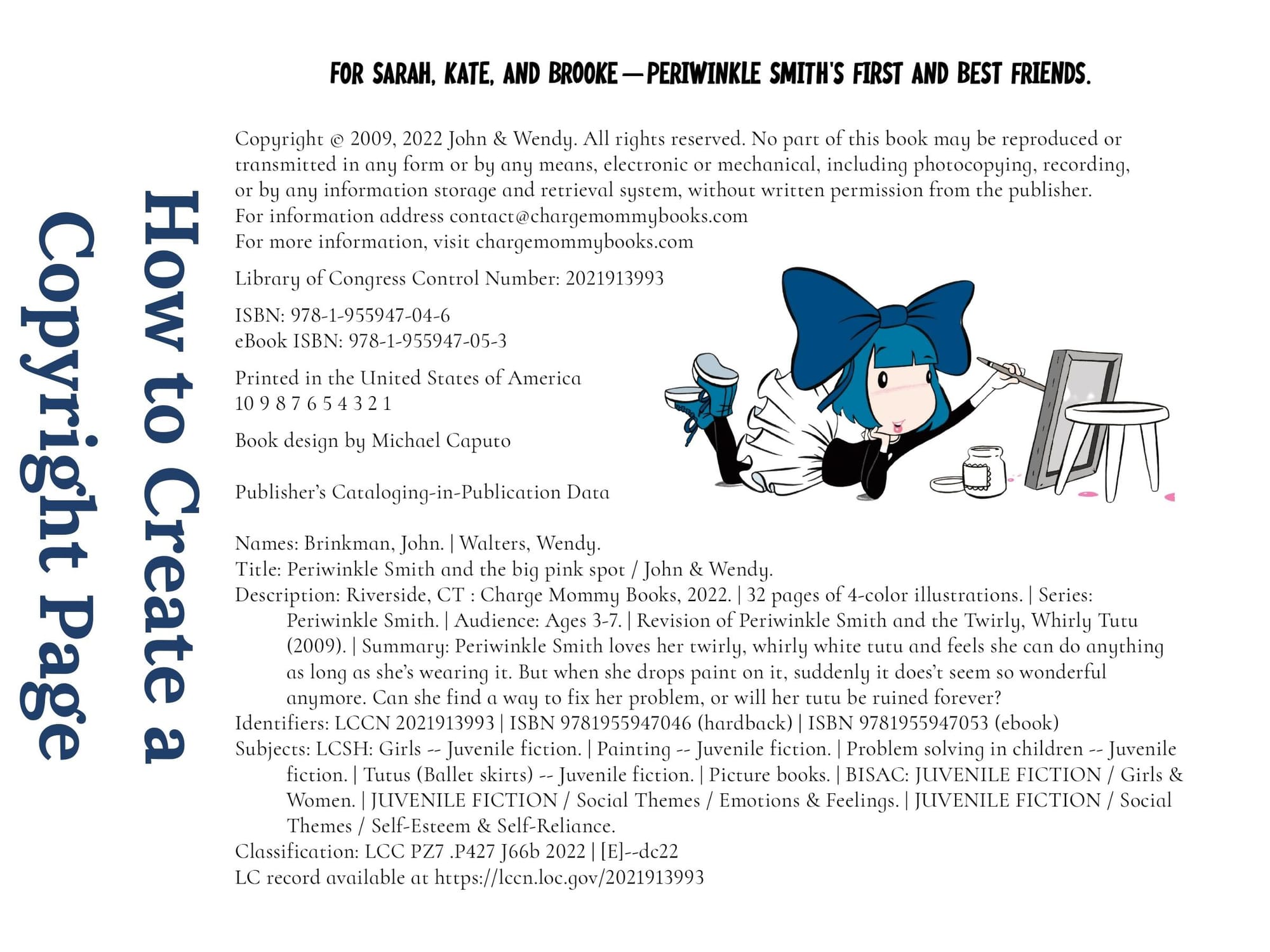 Related articleHow To Create a Book Copyright Page (with Template)Walk through every element of the copyright page with this 13-step guide, including a free copyright page template to make creating your own copyright page easy.Read the article →
Trademarks, on the other hand, are used to protect a company’s brand, usually in the form of a logo, slogan, or product name. Authors might use a trademark to protect a series name or logo. Below is an example of the books in my Charge into Reading line.

Here, the Charge into Reading would be eligible for trademark protection as it serves as an identifier both visually and in name for a specific series of books. The same would be true of other early reader series: All Aboard Reading, Step into Reading, World of Reading, and so on. While the name of a character cannot generally be trademarked, there are certainly exceptions to this rule when the character’s name becomes synonymous with the trademark, as with Harry Potter.
How to get trademark protection
As with copyright, businesses can assume a trademark simply by creating a brand name or logo. Claiming the trademark simply requires adding a ™ to the logo. But a trademark is not quite as simple as copyright, and any author hoping to trademark a brand name or logo would be advised to do a search to ensure that their brand name has not already been registered as a trademark by someone else. Such a search can be done at the United States Patent and Trademark Office website.
Pro Tip: Simply adding a ™ offers very limited protection. In order for a business to reap the benefits of federal trademark protection, it is necessary to register with the United States Patent and Trademark Office and receive the coveted ® symbol that accompanies many corporate brands.
What is a genericized trademark?
A genericized trademark is a brand name that has become so widely accepted in society that it essentially becomes part of the public domain. In other words, the brand name BECOMES the name of the generic product. As noted above, the word BAND-AID® is a perfect example of this. Most people wouldn’t say “I need an adhesive bandage.” Instead, they would say, “I need a band-aid,” whether what they want is BAND-AID® brand or not.
Why does this matter? Because when brand names become the generic term for a product, corporations run the risk of losing their registered trademarks. In order to keep their trademarks, they must remain vigilant and police their use, which may mean lawsuits for writers using trademarks inappropriately!
One of the first companies to fall victim to genericide was BAYER, thanks to its widely-distributed drug, aspirin. BAYER originally patented aspirin in 1899, and it quickly became one of the top-selling drugs to alleviate pain. By 1915, aspirin was made available in tablet form, further spreading the use of the product and consumer awareness of it. Then, two years later, the patent on aspirin expired, and the drugmaker lost its trademark on the name aspirin in several countries, including the United States. Although there were several other factors, the genericization of the word “aspirin” was a large part of the reason that BAYER’S trademark was revoked.
You might be surprised to learn that BAYER wasn’t the only company to lose an important trademark. The following companies lost their trademarks for the same reason:
- Escalator—last owned by Otis Elevator Company in 1950
- Trampoline—before losing its trademark, the generic term was “rebound tumbler”
- Laundromat—last owned by Westinghouse in 1952
- TV Dinner—last owned by C.A. Swanson & Sons in 1962
30 trademarked words you probably use every day
So what does it mean for companies when their products become so popular that they lose their trademark? When a company has their trademark revoked, competitors are given free reign market their products under the same name or description. That’s why popular brands have to be so careful and so vigilant about the use of their brand names.
Here are 30 more examples of brand names you probably use every day that are in danger of genericide:
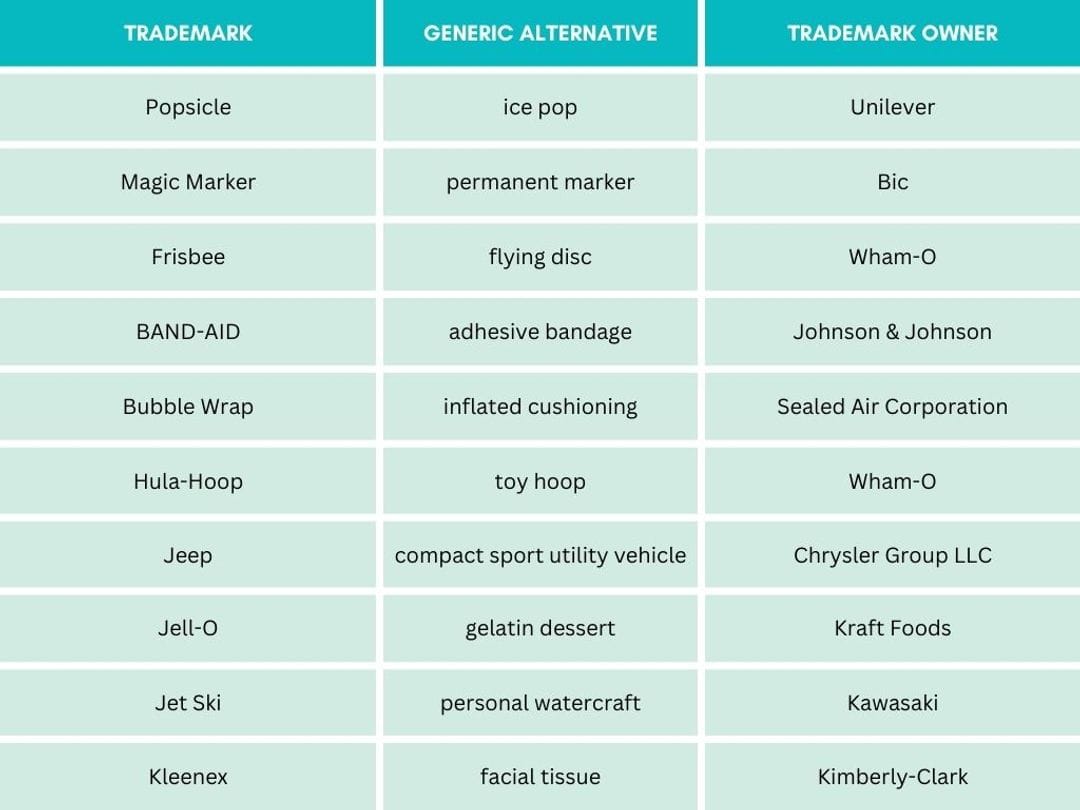
Popsicle
- Invented: 1905
- Trademark Owner Today: Good Humor, owned by Unilever
- Generic name: ice pop
Magic Marker
- Invented: 1952
- Trademark Owner Today: Bic
- Generic name: magic pens
Frisbee
- Invented: 1957
- Trademark Owner Today: Wham-O
- Generic name: flying disc
BAND-AID
- Invented: 1920
- Trademark Owner Today: Johnson & Johnson
- Generic name: adhesive bandage
Bubble Wrap
- Invented: 1957
- Trademark Owner Today: Sealed Air Corporation
- Generic name: inflated cushioning
Hula-Hoop
- Invented: 1957
- Trademark Owner Today: Wham-O
- Generic name: toy hoop
Jeep
- Invented: 1940
- Trademark Owner Today: Chrysler
- Generic name: compact sport utility vehicle
Jet Ski
- Invented: 1973
- Trademark Owner Today: Kawasaki
- Generic name: stand-up personal watercraft
Kleenex
- Invented: 1924
- Trademark Owner Today: Kimberly-Clark
- Generic name: facial tissue
Onesie
- Invented: 1950s
- Trademark Owner Today: Gerber
- Generic name: infant bodysuit
Ping-Pong
- Invented: 1890
- Trademark Owner Today: Parker Brothers
- Generic name: table tennis
Post-it
- Invented: 1980
- Trademark Owner Today: 3M
- Generic name: sticky note
Q-tip
- Invented: 1923
- Trademark Owner Today: Unilever
- Generic name: cotton swabs
Realtor
- Invented: 1916
- Trademark Owner Today: National Association of Realtors
- Generic name: real estate agent
Super Glue
- Invented: 1942
- Trademark Owner Today: Super Glue Corporation
- Generic name: adhesive
Velcro
- Invented: 1957
- Trademark Owner Today: Velcro Companies
- Generic name: hook-and-loop fastener
Xerox
- Invented: 1906
- Trademark Owner Today: Xerox
- Generic name: photocopy
- Invented: 1998
- Trademark Owner Today: Google LLC
- Generic name: internet search engine
Photoshop
- Invented: 1987
- Trademark Owner Today: Adobe Inc.
- Generic name: photo manipulation
Crock-Pot
- Invented: 1971
- Trademark Owner Today: Sunbeam Products
- Generic name: slow cooker
ChapStick
- Invented: 1890s
- Trademark Owner Today: GlaxoSmithKline
- Generic name: lip balm
Rollerblade
- Invented: 1980
- Trademark Owner Today: Nordica
- Generic name: inline skates
Super Hero
- Invented: 1967
- Trademark Owner Today: DC & Marvel Comics
- Generic name: superhero
Vaseline
- Invented: 1870
- Trademark Owner Today: Unilever
- Generic name: petroleum jelly
Taser
- Invented: 1974
- Trademark Owner Today: Taser Systems
- Generic name: electroshock weapon
Styrofoam
- Invented: 1944
- Trademark Owner Today: Dow Chemical Company
- Generic name: foam
Hacky Sack
- Invented: 1972
- Trademark Owner Today: Wham-O
- Generic name: footbag
Jacuzzi
- Invented: 1915
- Trademark Owner Today: Jacuzzi
- Generic name: hot tub
Mace
- Invented: 1960s
- Trademark Owner Today: Mace Security International
- Generic name: pepper spray
Jell-O
- Invented: 1897
- Trademark Owner Today: Kraft Foods
- Generic name: gelatin dessert
How to use a trademarked word in writing
With so many trademarked words, the question remains: how can you properly use a trademarked name in your writing? By following the rules!
 Related articleWriting Tips: 30 Ways to Become a Stronger StorytellerA comprehensive list of tips authors can use to become stronger writers, from idea generation to moving on from a rough draft to final touches.Read the article →
First and foremost, it’s important to ensure that you never portray a trademarked name in a negative way. Kimberly-Clark may not mind that a character uses a tissue to wipe their nose, but if that Kleenex is used in a way other than it is intended or if a character is complaining that the Kleenex is poor quality, that’s a problem.
Some brands also have specific rules that must be followed. For example, Unilever requests that any derivative of their mega-popular Popsicle (Creamsicle, Fudgsicle, etc.) not be used as a noun. Instead, that would mean you’d need to use a more generic term, like ice pop. Pro Tip: When it comes to a Popsicle stick, go generic with the term “craft stick.”
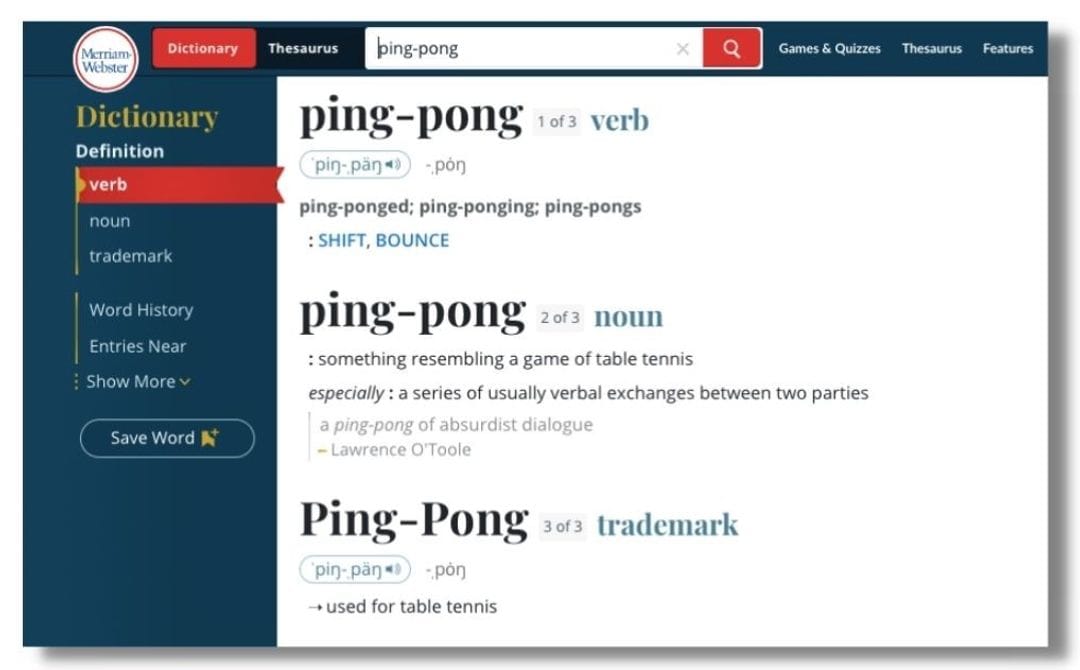
Other brands focus on the spelling and capitalization of their trademark. Be certain when using a trademarked word to check proper spelling, capitalization, and punctuation to ensure that the trademark is properly represented (or that you are using the word in a manner that is not trademarked!) Take a look at the Merriam-Webster definition of the word “ping-pong.” When used as a noun or verb, there’s no clear restriction based on trademark usage. However, the term “Ping-Pong,” hyphenated with two capital letters, becomes a trademarked term.
Remember, especially when creating a book that includes art, using a trademarked name is not the same as creating an image of a trademarked item. To do so impinges on a company’s intellectual property and can open up a whole new can of worms!
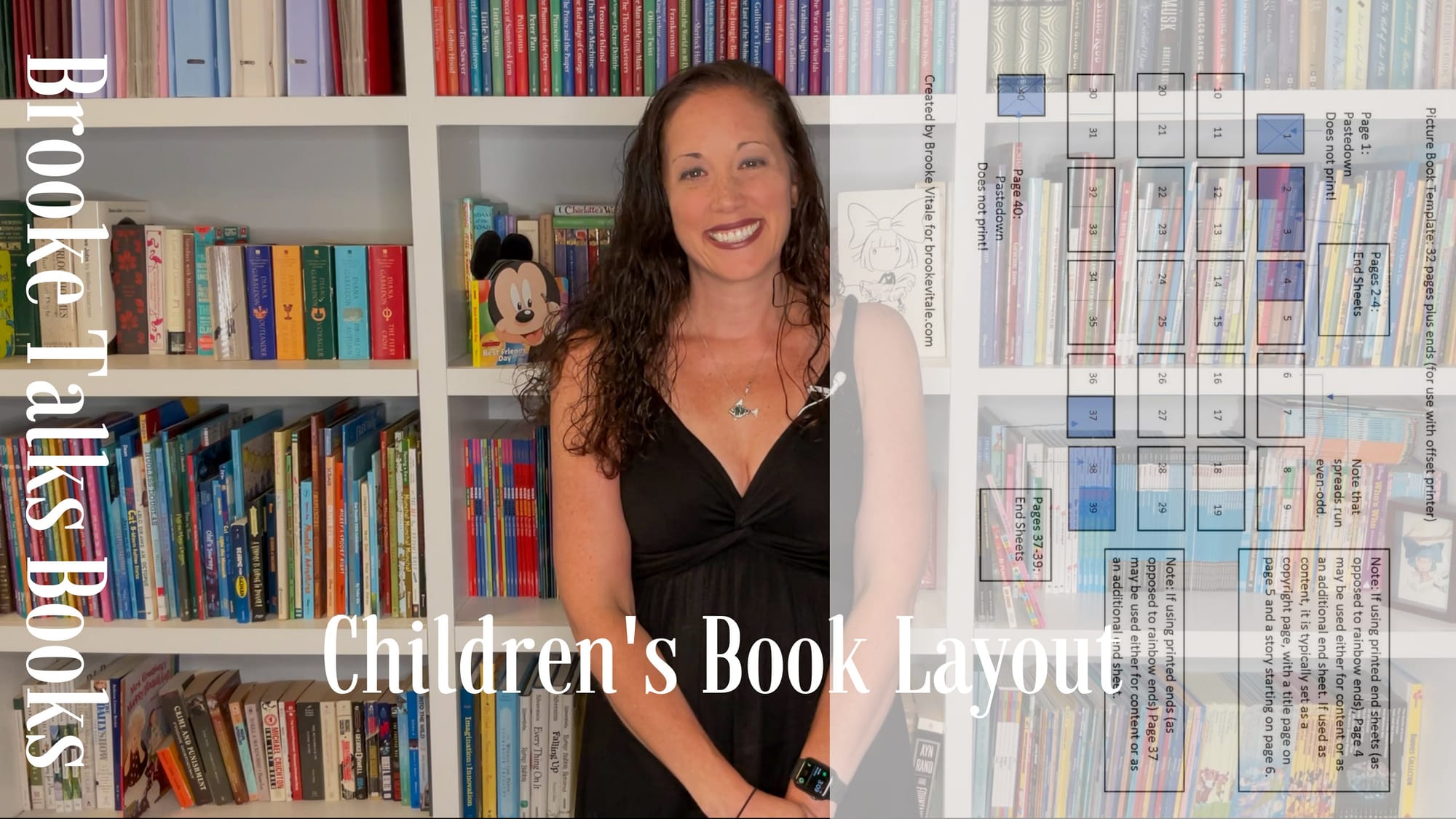 Related articleA Template for Children's Book Layout, Pagination & DesignThis easy-to-follow children's book layout template will guide authors through picture book layout and story pacing, with sample 32 page picture book template.Read the article →
So can you, as a writer, use trademarked words? Yes, you can. And let’s be honest, “ice pop” or “flavored and colored water on a stick” just isn’t as snappy as Popsicle. Still, as every copy editor I’ve ever worked with has told me, it might be best practice to avoid using them anyway. After all, why open yourself up to possible litigation? But if you do choose to use them, make sure you’re using the word correctly. Because at the end of the day, it’s just not worth the risk of doing it any other way!