75 Book Marketing Ideas to Boost Sales!
Contents
Book marketing. Those two words are enough to drive fear into the heart of any author or would-be author. But whether you are traditionally published or self-published, one fact remains the same: you want to sell your book! And for that you’ll need to market it! Which means it’s time to learn how to market a book!
Below are 75 ideas for book marketing. Some may come easy, others may seem like too much. As an author, it’s your job to push as hard as you can for your book and to think outside the box. So start with the ones that come easily and then move on to the ones that feel daunting! And remember, the things that make you uncomfortable are usually the ones that have the best results!
Build an author website
One of the most important ways to get the word out there about your book is through an author website (or if you are starting your own company, a publisher website). This is how readers find you—how they learn who you are. It is how you can tell readers what you are working on, when you will be doing events, and sometimes just what you’re thinking about. It’s also a great way to collect email addresses so that you can directly message your fans when you have exciting news. The author website is you when you don’t have time to be. It is the face you show the world. So make sure it accurately reflects you!
Top tips for author websites:
- Your author website doesn’t need to be fancy. It doesn’t need animations and videos. It just needs to exist. If you have experience with making websites, great! But if not, programs such as Wix and WordPress offer plenty of options for creating a manageable site.
- Register your site at Google's Search Console and Bing Webmaster Tools to ensure that your site pages are indexed. This will allow your site to come up in search results when someone looks up your name or the name of your book.
Discussing how you get your website at the top of search results is an article unto itself, but some things you will want to learn about are keywords, creating indexable content, and structured data.
- Make it easy to navigate. Confusing websites are more likely to intimidate readers or even turn them off.
- Websites are a great way to build up your mailing list. But first, you need to make sure you can manage those emails. Sign up for an email service. Two great options are MailChimp and MailerLite.
- Make sure people who want updates can get them. Add a subscribe button to your website for anyone who wants to follow you. (Just make sure there's also an options to unsubscribe if they change their minds.)
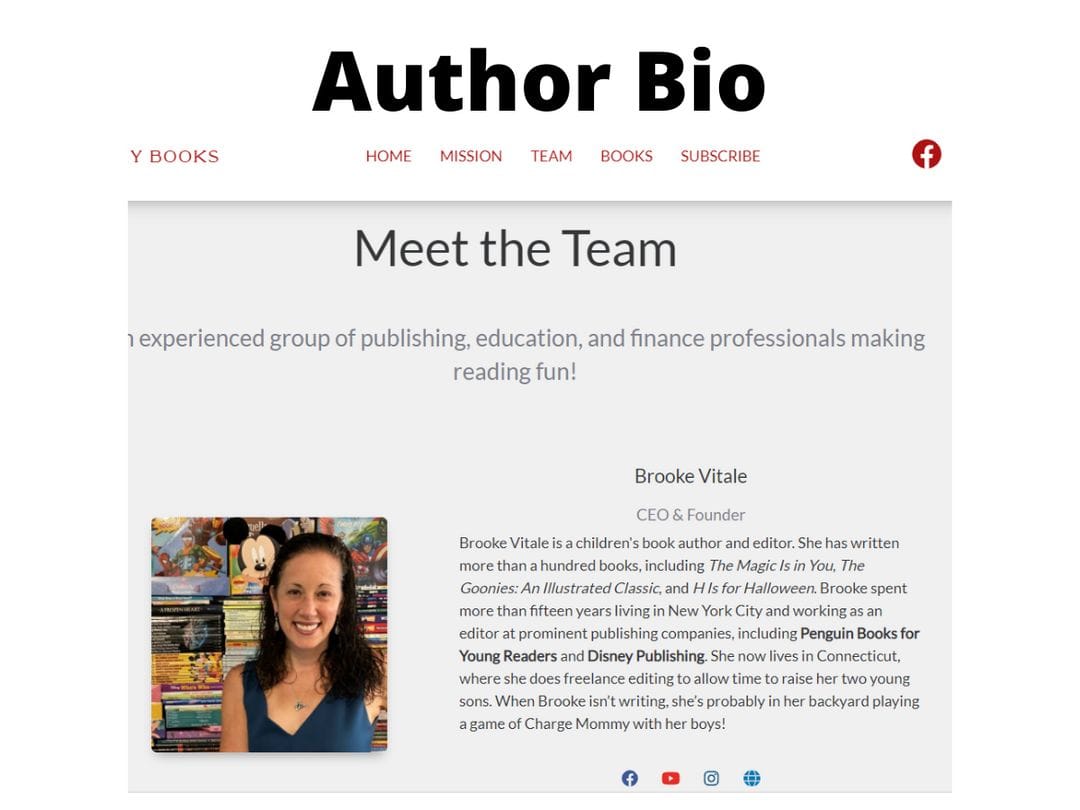
- Include an author bio, but keep it short and to the point. Readers want to know who you are, but they don’t want to read a novel about you. (They’d much rather read your novel. Or your picture book!) An author bio should be 250-300 words, should be written in third person, and should focus primarily on your writing. But that doesn’t mean it has to be boring. As an author, you have a voice. Use that in your bio to give it charm. You might even consider including one or two interesting facts about yourself.
- Add a store page to your website. Once you’ve drawn a potential reader to your author website, the next step is to turn them from potential reader to actual reader. And the easiest way to do that is to make buying easy by putting a store right on the page they are already on!
- If you are looking for an all in one solution to create a store, manage inventory, sync with Amazon, and handle payment processing, consider Shopify or Square.
- If you are looking to simply accept payments and include a buy button on your website, options such as PayPal, Shopify, Stripe, and Venmo (part of PayPal).
- Once you’ve started to build a brand around your books, consider creating merchandise to go with the brand. Then sell it on your website. Merchandise is a great way for fans (especially uberfans) to show off how much they love something. And once they are wearing or carrying around something with your brand on it, their purchase turns into free advertising for you!
- If you’re planning to create merchandise, consider holding contests where readers can weigh in on the design, or even submit their own designs!
- Include pages on your author site for book reviews and testimonials. Readers like to see what other people think about a book. Make it easy for them to find out by putting it right there on your author website.
- Include a frequently asked questions (FAQ) page. Readers love to learn about authors, and they love to ask questions such as “How did you come up with the idea for this story?” But readers don’t always have access to authors to ask those questions. Give them the answers anyway. It will help them become more invested in you—and your success.
- Show off what you’re working on. Readers love sneak peeks. So give them what they’re looking for. Especially once you’ve written a few books, readers will be eager to see what’s next, and they’ll be excited to know before anyone else! If you’re writing a novel, this may be a few paragraphs from the book. If you’re working on a picture book, it might be some sketch art of an upcoming character or scene.
- If you’re a children’s book author, consider including a place where schools or libraries can request author visits. Kids love having authors come read to them, but you will never be able to track down every school or library on your own. So let them come to you!
- Create a lead magnet to drive readers to your author website. Something available for free, but only on your site. For children’s books, that might be free coloring or activity pages, or a free teacher’s guide. For a novel, it could be a short related novella available for free to subscribers. Remember, the point of a lead magnet is to make people subscribe!
- Create links directly to all of your social media. You want readers following you, so make it easy for them to find your pages.
- Install popups on your website. Yes, they're a bit annoying, but they're also hard to ignore, and they're a great way to get people to click through to learn more or subscribe!
- Use your site to set up a preorder or to advertise a Kickstarter for your book. Both are a great way to build early buzz!
- Set up Google alerts on both your name and your author website. That way you’ll be notified any time someone mentions either one!
- Add a blog to your author website!
Top tips for creating blogs:
- Consider what your readers will be interested in, and then share it with them! For some readers, learning what goes into writing a book is fascinating. And you may find that fellow authors are also interested in your process!
- Update your blog regularly. There’s nothing worse than visiting an author’s page to see what they are up to and finding that their last post is months old.
- Allow readers to leave comments on your blog—and be sure to respond to them. This engagement with your readers will make them feel seen and heard, and is more likely to result in loyal fans! This is something we are considering doing, but are concerned about spam and policing bad behavior.
- Find other sites to guest blog on. This is a great tool for promoting an upcoming book, especially when the site captures fans of the genre you’re writing about. (For example, writing a picture book about a duck? Find blogs for and about ducks!)
- Allow guest bloggers to write for your site. Not only will this keep your content fresh (and give you a week off from writing) but it’s a great way to show authors that you can reciprocate in offering promotion opportunities.
- Make sure your blogs contain keywords. That will make them easier to find when reader are searching for topics related to your books.
Pro Tip: Do keyword research to see what people are searching for about the topic you are thinking about blogging about. Create a Google Ads account and use their keyword planner to do keyword research or content research. There are paid site alternatives if you want to make an investment in SEO optimization.
How to drive traffic to your author website
- Link to the pages of other authors you admire, and ask them to link back to you in exchange. Links from other sites are called “backlinks” and they help give your author website credibility and authority. Link building is a hard and arduous process but can really help search engines understand your content and let them know that you are an expert on a subject.
- Have an online book tour. Ask influencers or other sites with strong video presence to host a reading of your book, and remember to ask them to link back to your site!
- Write a press release and send it to as many online outlets as you can find. Many may never respond, but the ones that do will help drive traffic to your author website.
- Create monthly newsletters and ask your readers to subscribe to them. This will not only keep your readers engaged, it will give you access to their coveted email addresses to let them know when a new book is coming!
- Use your website to host giveaways. It will excite your readers and advertising giveaways is a great way to drive traffic to your site and get new subscribers.
- Google Ads are a great way to advertise products that you sell on your website. Before you create any Google Ads, make sure you do keyword research regarding the product that you are selling. For example, if you are are selling an early reader book, you may want to create a campaign that focuses on terms like early reader books, beginning readers, kindergarten books, etc. This will put your book in front anyone searching for a product using synonyms. Another option may be to target keywords towards substitutes (competitors). Know your competitors and use their titles or brand names in your keywords. Make sure you research which keywords get searched on Google for maximum results.
- Facebook and Instagram advertising are a great way to drive traffic to a product, but we have stopped using it altogether because we are finding that with the new privacy changes their ads have been much less effective at finding our target audience. Additionally if you want to drive a customer to Amazon to purchase a book, they force you to use Facebook's internet browser, which will force all potential buyers to either sign in to their account or leave that current session, which may lead users to click out of an ad without proceeding further.
- Many organizations include online directories. Look for any organizations that have a relationship to your website or which are relevant to your author website and ask to be included in the directory.
- Research your competitors to see what they’re doing that you’re not. You never know when you’ll get a good idea!
Create an eBook
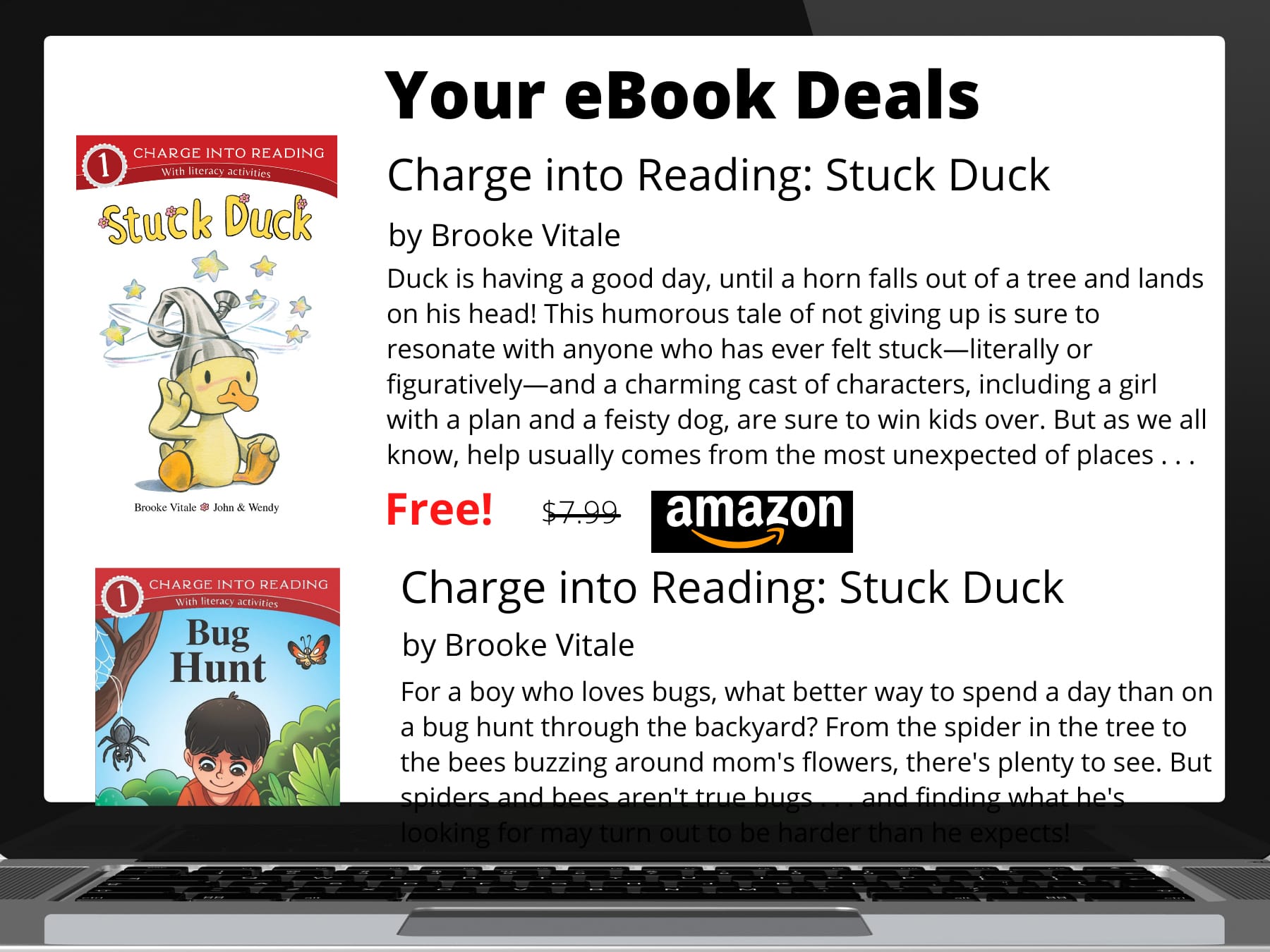
- eBook promotion is a huge part of selling books. Why? Because it gives readers a chance to look at your work, sometimes at a discounted rate and other times for free. It’s also a great way to drive book reviews on sites like Amazon or Goodreads. But eBooks need to be handled wisely to make the most use of them.
- Schedule free book promotions, and stack them on top of each other. If your book is enrolled in KindleUnlimited (KU), you will be able to set it as free for 5 days within every 90-day window. Make the most of those free days by promoting on several free eBook sites at once, increasing the number of readers (and hopefully reviews). Just be warned. Reviewers who don’t pay for books tend to be harsher than those who do, so while you’re likely to get more book reviews, it’s possible some of them may not be flattering.
 Related articleTop Book Promotion Services and Book Promotion Sites in 2023Book promotions are a great way get extra eyes on your book, and offering a free eBook or deeply discounted eBook can help drive reviews. But how can you know which book promotion services are worthwhile? Here we break down the top sites for book promos.Read the article →
- Plan your free eBooks around the timing of new books. Instead of giving away your new book, give away your old book. Chances are good that any devoted fans will already own it, but you might capture the attention of a new reader who likes your work enough to buy the new book.
 Related articleThe Top 20 Free eBook Sites to Download Free eBooks in 2023Looking for free eBook downloads? From BookBub to Freebooksy, this top-20 list of eBook sites is sure to steer you right for your next free eBook download.Read the article →
- Make sure your eBooks advertise your other books, especially if you are running a free book promotion. The goal of a free promotion is to drive sales to your entire book list. A reader can’t buy your next book if they don’t know it exists.
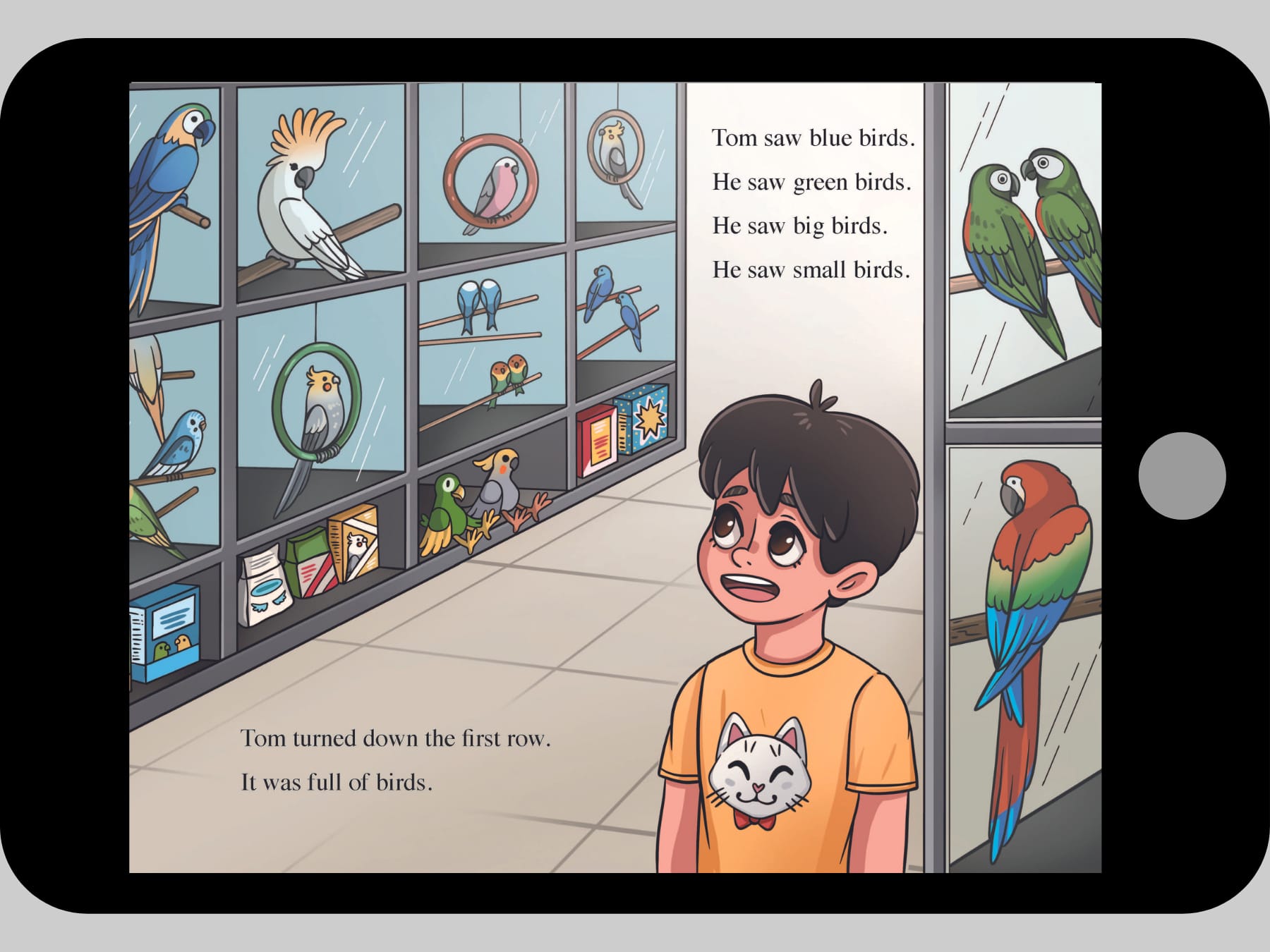
- As you create an eBook, make sure you understand whether your eBook should be produced as a fixed format book or a book with reflowable text. Doing it wrong could result in poor book reviews.
 Related articlePublish an eBook to Drive Book Reviews and Book SalesWhen it comes to publishing a book—especially a picture book—just how important is it to have an eBook? It turns out, it’s really important!Read the article →
Use social media!
- Social Media can sometimes seem like a pain, but it’s also a great way to connect with your audience. Just be sure not to stretch yourself too thin. Not every platform is for every author, but every platform is at least worth trying! So text each one out and see which ones work for you. Just remember to give them time to grow. Nothing happens overnight, and that is especially true of social media!
- Join Facebook or Reddit groups related to writing books. Look for authors who write in genres similar to yours. Beyond being great critique partners, they are also great sources for cross-promotion. Invite these authors to blog on your author website or to run joint book promotions. By promoting with other authors, you may find that their readers become your readers!
- Use online forums as a way to ask questions and make your own knowledge known. The more valuable you make yourself, the more people will turn to you for advice. And you may even find that some of those people will become your readers!
- Join Facebook groups that are related to the topic of your book and become an active participant. Once the amins know you, ask if it would be okay to share about your book. Or share about your book in answers to other posters if doing so would be relevant. Just remember not to spam groups with book promotion, because that’s not why any of the group members are there.
- Create a Facebook author page. Focus your page on you as an author, not on your personal life. As with your author website, share updates, behind the scenes, and anything else your readers might be interested in.
- Create your Facebook author page as a business page. This will give you access to Facebook Business Suite, which will allow you to schedule your posts in advance. Take advantage of that to plan out your posts around a book launch. (That way you won’t be scrambling to come up with posts when you’re in the middle of the launch.)
- Give fans the option to post book reviews, testimonials, comments, or questions to your Facebook page. The more your readers engage with you, the more Facebook will drive your page.
- Make sure every post you make is shareable. This will ensure that excited readers can share your posts with their friends, thus spreading the word for you!
- Create an Instagram account. Because Instagram is photo-based, it’s a great avenue for showing off your book covers or, in the case of picture books, the art for your upcoming books.
- Take advantage of Instagram Reels. These have the potential to reach far more viewers than regular posts, especially if they catch on. Just remember, most reels that do well tend to be funny (or involve dancing), so bring your author wit to the table! And if you don’t have any, get ready to shake it for the camera!
- Make use of Instagram stories! Your posts may get lost, but Instagram stories go to the top of the page. Many people will look at stories before they look at posts. That’s because they know who is posting them, rather than just having something show up in a feed. Even better, Instagram Stories now allow you to post links, which makes them a great way to get people to your author website or wherever you are selling your book.
- Go live on Instagram or Facebook. Both platforms notify your friends/followers when you go live, so it’s a great way to start talking about your book and engage your readers in the conversation.
- Use Twitter to share quick snapshots of your work or your upcoming schedule. Share about book readings, new books, media coverage, or book trailers.
- Create a specific hashtag dedicated to your book. Then make sure your followers know about it. That way they can keep an eye out for any news on your book, and can help fellow fans find their own reviews or comments on it.
- Learn the hashtags that are relevant to your book and make sure to use them!
- Use Tweetables on your author website or other sites you blog on. This will enable you to drive traffic straight to your Twitter account or enable readers to share your tips.
- Create a LinkedIn page to connect to other publishing professionals. We all love to make connections and LinkedIn is a great tool for finding authors writing in your same genre.
- Create a YouTube channel for your books. If you are a children’s book author, consider doing readings of your books. (But make sure they are well-edited, well-lit, and that you have a good microphone. A poor video won’t do you any favors.) If you write middle-grade or novels, talk about your book process and consider reading small snippets of your book. Make sure to link your YouTube account to your other social media accounts.
- Reach out to YouTube influencers. Especially if you are writing a picture book, consider asking YouTubers who read picture books aloud to do a reading of yours. Even if it doesn’t result in book sales on that book, it might introduce you to potential book buyers who will then look for your next book.
- Look for podcasts about books or about the subject your book focuses on. Then reach out to the hosts to see if they’d be interested in having you on.
- Start your own podcast. Invite other authors or experts in the field your book is about to be guests. Or just talk about your own writing journey!
- Set up a Goodreads author page. Make sure you have a compelling author bio (including a photograph.) Invite people who review your book on Amazon to invite on Goodreads as well.
- Ask fans to nominate your book Goodreads’s best-of lists. There are tons of these lists, and readers use them to see what they’re missing out on in the genres they love. So make sure your books are reflected there. It’s a great way for new readers to find you!
- Create a book trailer and share it across all of your social media platforms. Like movie trailers, book trailers draw readers in, making them want to know more!
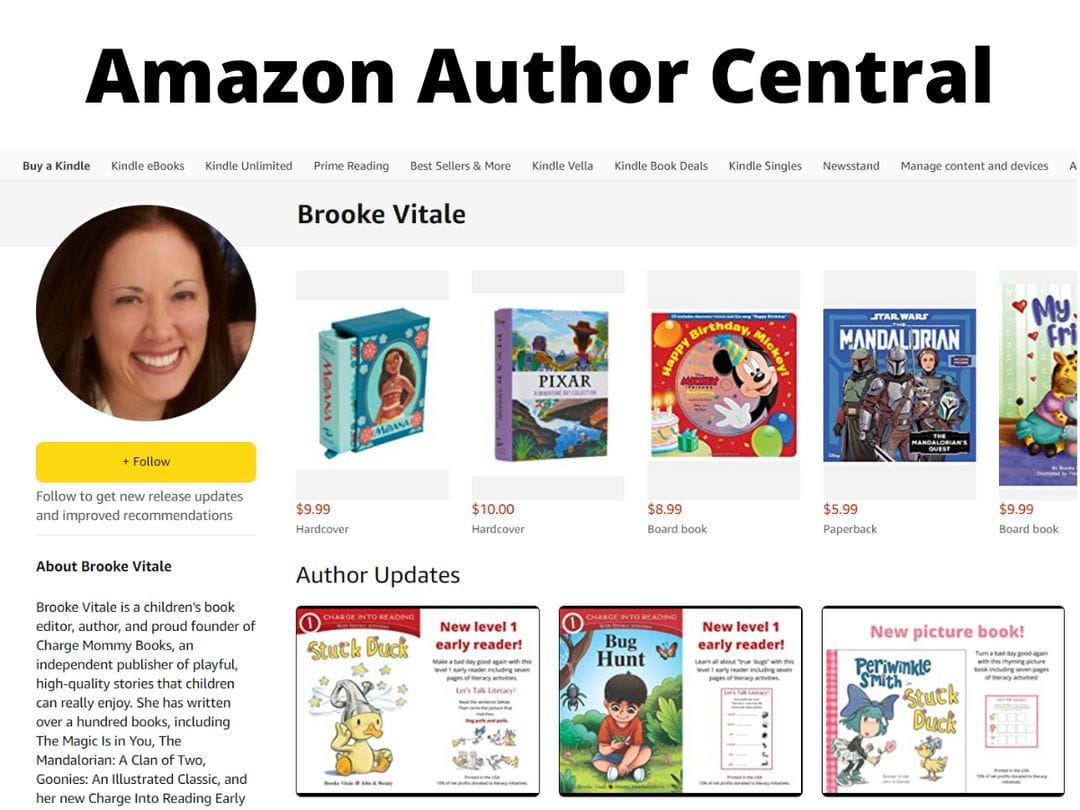
Sell your books on Amazon
Many authors love Amazon. Many hate it. But most agree, it’s a great avenue for selling your books (though it shouldn’t be your only avenue). Because this is where most readers look to buy books, it’s essential to have your own books up there, too. Build an Amazon author page through Author Central. The Amazon author page allows readers to click your name under a book and learn more about you. And the best part is, the content on it is curated by you. Have videos you want to share? Do it? Testimonials from kids who love your book? Post them up there! But above all, make sure to “claim” all of your books as your own. That will enable anyone who clicks your name to see everything you’ve written.
- Decide how you want to sell your books on Amazon, whether through FBA (fulfilled by Amazon, which means they hold and ship the books) or Seller Central (sold through Amazon but shipped by you.) Use the Amazon calculator to test how much each way will cost and determine which will result in greater revenue for you per book bought.
- Learn Amazon ads. Readers are already there to buy books. Make sure yours shows up as an option!
- Take advantage of Amazon keywords. When setting up a title, you may pick 2 BISAC codes to categorize your book under. But once it’s listed, contacting Amazon will allow you to pick up to seven more categories. Choose these categories carefully to help drive readers to find your books.
- Make sure to include “Look Inside Your Book.” Readers want to see what they are buying. eBooks are able to show up to 45% of a book and physical books can show up to 80%. Pick a percentage that will give readers a good feel for your book so they know they want to buy it.
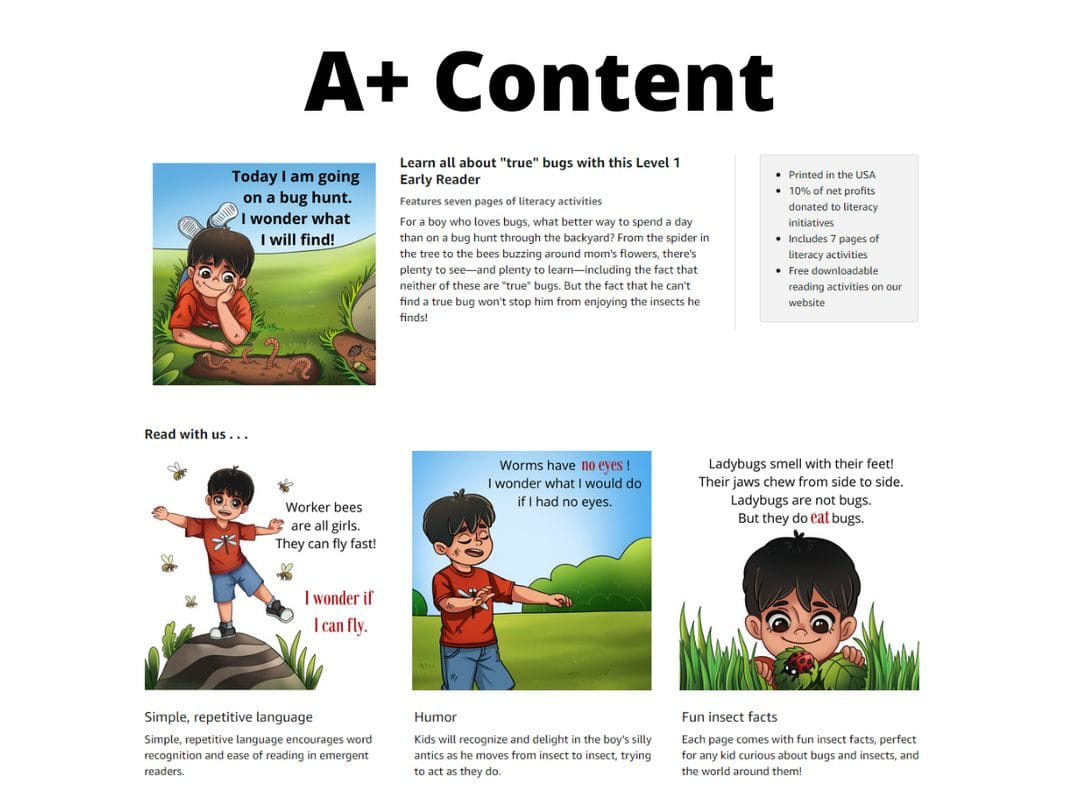
- Use A+ Content. This shows on your Amazon listing as “From the Publisher” and it is your place to showcase your book and share anything you want readers to know. This may be information about a single book, or it may be information about a series of books. Either way, make sure to use this to your best advantage. (For tips on creating A+ content, check out your top competition. See what you find compelling and what you don’t!)
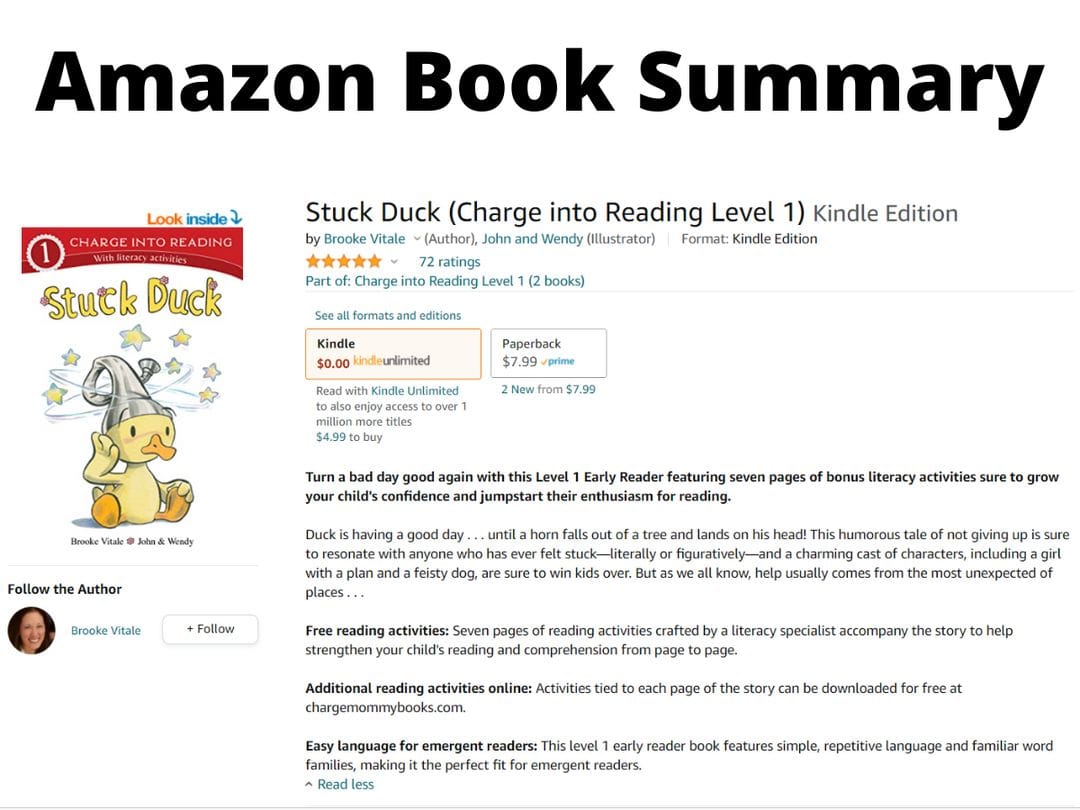
- Make sure your book summary lures readers in. The Amazon book summary is everything. It is what makes a reader decide whether or not to buy a book, so make sure it is the best it can possibly be. For more information on writing the book summary, check out my articleHow to Master the Book Back Cover with Templates & Examples.
Get offline
- There are lots of ways to push your product and yourself online. But the truth is, few things are better—or more effective—than meeting someone face-to-face. So get out there and get your face, your book, and your merchandise in front of people.
- Organize a team for your book launch. Launch teams are groups of people who agree to spread the word about your book and (ideally) leave an honest review the week you launch in exchange for a free digital version of your book. Although not always the case for novels, launch team members on picture books may even enjoy your book so much they will go out and buy a physical copy even though they already have a digital version.
- Plan a launch party. People love to celebrate good news, so why not invite your community to celebrate your good news? Speak to a local business about hosting a launch party for your book. You’ll benefit by selling books and the retailer will likely benefit by selling their own merchandise.
- Plan a book tour. Whether you’re visiting bookstores, libraries, or nursing homes, go read a snippet of your book (or the whole thing if it’s a picture book). Odds are no one reads your book better than you, so get out there and share your excitement.
- As local businesses if you can advertise. Many local businesses have no problem with you leaving a stack of flyers, postcards, or bookmarks advertising your new book (or preorder for your book). Make sure these flyers include your author website and all of your social media handles. One of the best tools out there for doing this right now is Canva, which offers a basic design package totally free.
- If you are a children’s book author, plan school visits. Kids love meeting authors. To them, authors are celebrities. Send out order forms for your books in advance and tell parents that you will bring author-signed copies to the school on the day of the reading. (Or, if you are doing a virtual visit, offer to mail the books to the children’s homes or to do one big mailing to the school for distribution.)
- Look for craft fairs, farmers’ markets, or other local events where you can buy space to sell your book. Holiday fairs can be particularly lucrative because people are looking to buy gifts. Set up a table with a big sign announcing, “Meet the Author” and then get out there and start meeting people. (Note: eve with a sign, people may not realize you’re the author, so consider including your face on the sign or wearing a shir that says, “Author.” If you have friends or family willing to help, get someone out in the crowd talking you up and sending people your way. If you publish children’s books, make sure your booth includes something to keep kids busy while parents shop!
- Prepare a press kit about yourself. Include your backstory and a pre-written article about your books, along with ready-to-use images. Then mail it out to local media. You’ll be amazed how often local news sources like to cover local authors!
- Send your book to the book reviewer at your local newspaper. They may ignore the package, or you may get a feature article!
- Make an appointment to talk to your local booksellers. (Don’t just walk in, as they may find the interruption to their day frustrating and be less inclined to buy your book.) Bring samples of your books with you and ask if they’d be willing to either purchase copies from you or carry your book on consignment (meaning you get paid if it sells).
- If your book is set in a particular town or city (even if it’s not where you live), contact the local media there to see if they would be interested in running a story about you and your book, or interviewing you on the local news or radio station.
- Leave your book on a subway or park bench for someone to find. You never know when someone will pick it up and love it. Just make sure it’s clear the book is meant to be read. Put a sticker on the front that says “Free book. Please read and share!
- Speak at conferences and book shows. People who attend these are interested in books, which makes them a great way to gain followers and make a personal connection.
- Make business cards, and carry them with you at all times. You never know when you'll meet someone who will want to check out your site or social media at a later time. Make it easy for them to remember who you are by giving them a business card (or bookmark)!
- Always carry a few copies of your book with you. It's surprising how often you'll start a conversation with someone who will then ask "Where can I buy your book?" Make it easy for them to buy by having one handy!
- Look for unconventional places to sell your books. Local stores (not bookstores) or even restaurants may be willing to hold a few. Especially try stores that sell merchandise related to your subject matter. If yours is the only book on the shelf it faces less competiton to be purchased!
Go for recognition
- Seek out editorial reviews. Companies such as Kirkus and Publisher’s Weekly allow both traditionally published and self-published authors to submit books for review, and while they don’t choose everyone, those they do choose to review can get a big bump in sales. So give it a shot. Neither charges, so you have nothing to lose (unless you end up using their paid book review services!)
- Look for book awards. The most prestigious awards are usually only open to traditionally published authors, and the authors must be nominated by their publisher. But there are tons of awards out there for self-published authors, or even authors who choose to promote their own traditionally published books. And awards look good to potential readers, so do some digging to find the ones that are right for you!
- Send your books to influences. Ask them if they would be willing to share on social media or any other platform they have. Just remember, 9 out of 10 will never respond or may say no. But that tenth one may make all the difference! Be ready to send copies of the book to them. These copies are called Advanced Reader Copies and can be either digital or physical. A great way to get physical copies is to print out proof copies from KDP. Even if you're not selling that way, it's a great way to get sample copies early.
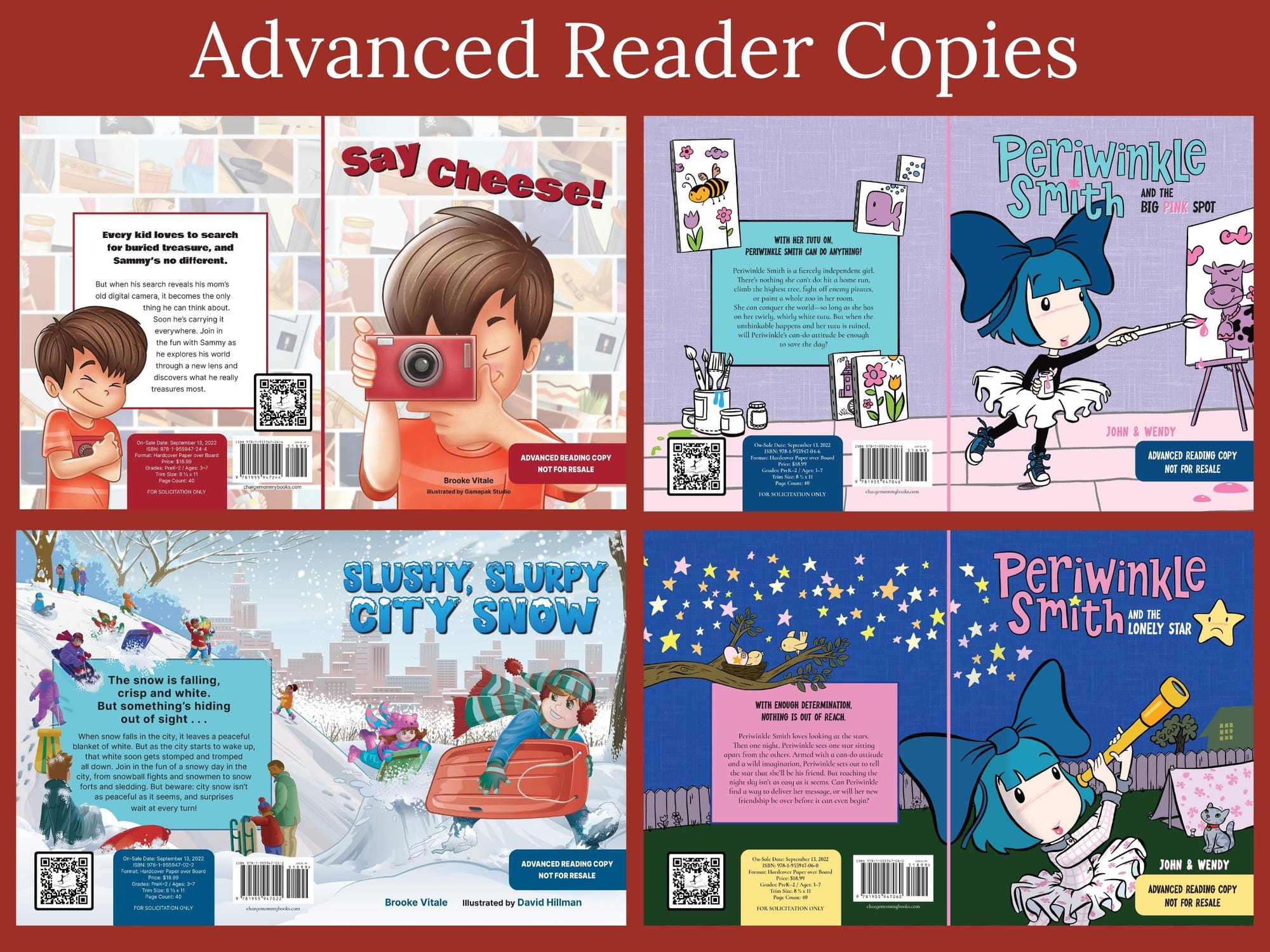 Related articleAdvanced Reader Copy: How to Get Books before They're PublishedAn advanced reader copy (ARC) is a pre-published version of a book. Learn how to get a book before it's published, how to print ARCs, and how ARCs drive reviews. Includes sample advanced reader copy language and ARC examples from top publishers.Read the article →
- Sign up for sites like Netgalley or Edelweiss. These sites enable book reviewers to see your book early and write a review about it. Some reviewers will regularly post their reviews to Amazon, helping to drive the positive reviews on your book.
The important thing about book marketing is that you need to cast a wide net. No one form of marketing will sell your book alone. So try a bit of this and a bit of that and see what sticks!