What is a Book Barcode and How to get a Bookow Barcode?
Contents
What is a book barcode?
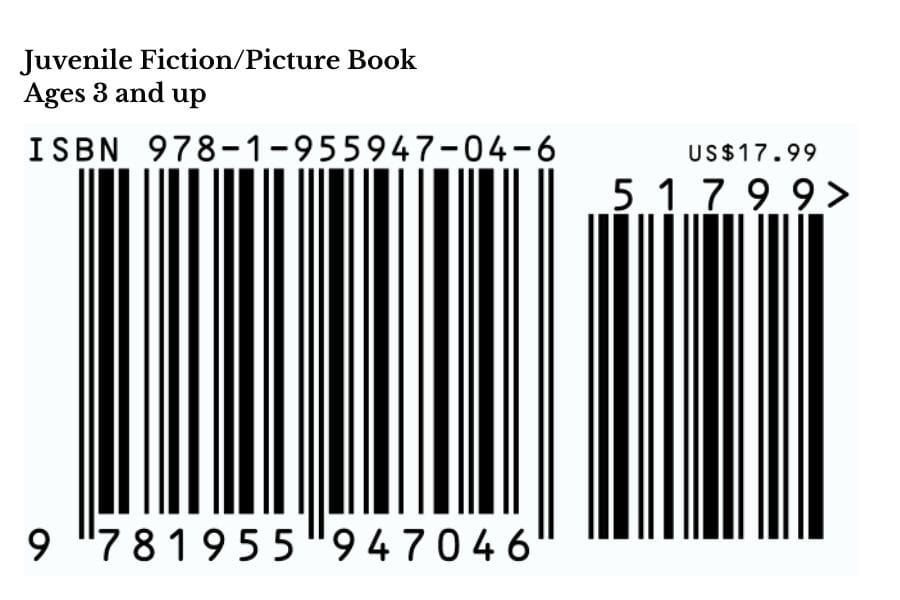
A book barcode is a scannable version of the ISBN. (ISBN stands for International Standard Book Number. Each book barcode contains a unique set of shaded lines. Embedded within these lines is information about a book—data such as book title, weight, and publisher. In the United States, a barcode also includes book price. A price scanner reads the book information and syncs with the retailer’s system, telling them what product is being sold. In addition to printing the ISBN under the barcode, it is also printed above the barcode so that it can easily be found.
 Related articleWhat is an ISBN: Buy a Bowker ISBN or Use an Amazon ISBN?A step-by-step guide to understanding what is an ISBN, the meaning of ISBN, how to purchase an ISBN, when to buy an ISBN, and why to buy a Bowker ISBN.Read the article →
Pro Tip: There are many parts of a book, but when it comes to selling a book, one is essential: the book barcode. Why? Because the barcode allows retailers to manage inventory, track book pricing (including whether a book is on sale), and access information about the book in their systems. So, what is a book barcode, and how do you get a barcode? Let’s dive in!
Why is a book barcode different than a barcode?
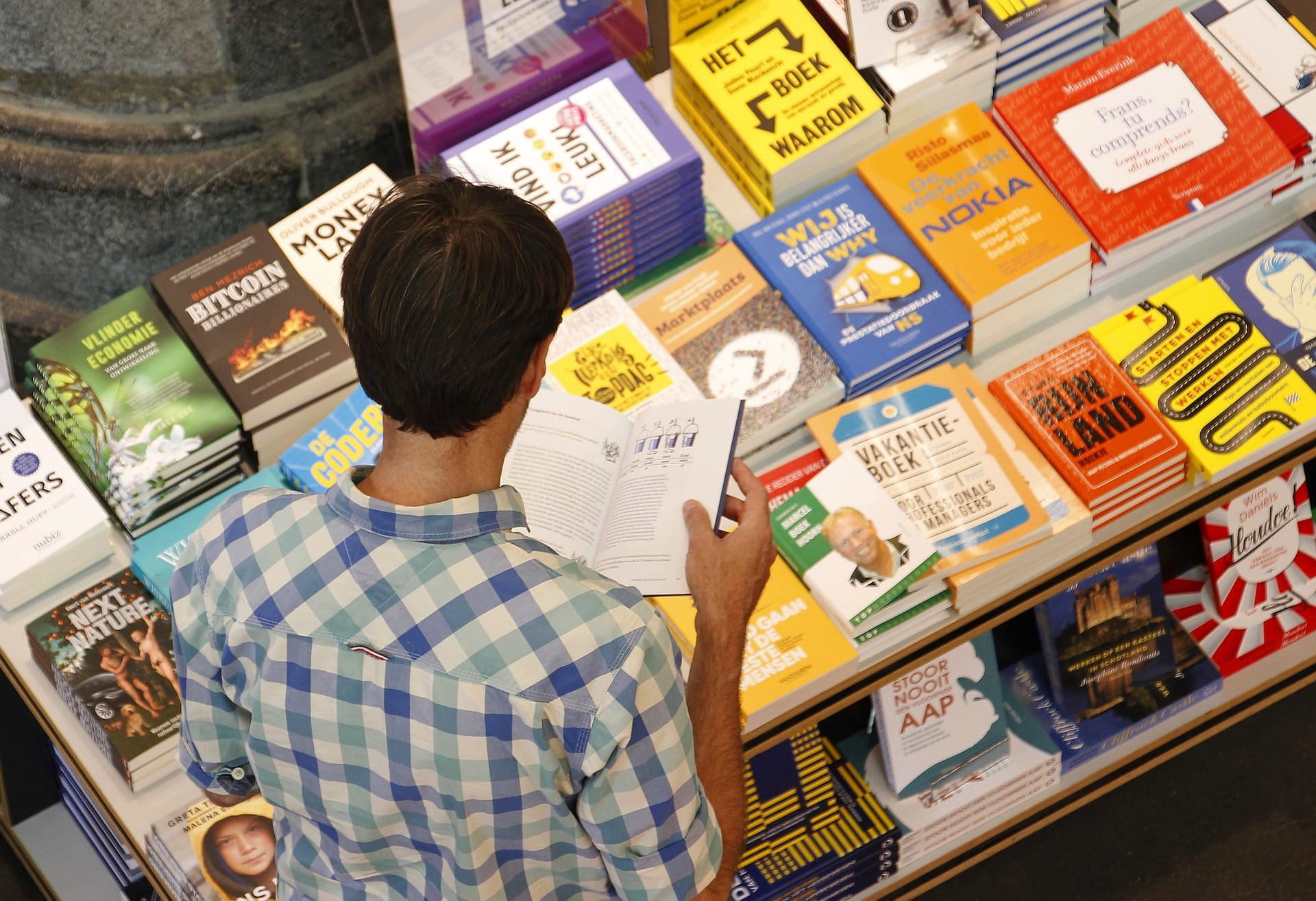
In the United States, most merchandise is labeled not with a barcode, but with a UPC number (or universal product code). This is a 12-digit code that identifies what the product is. Books are the exception. Instead of using a UPC number, books use an EAN. (EAN stands for European Article Number, and this is the standard use d for selling products in the rest of the world.) The EAN is a 13-digit number . . . just like an ISBN. It is used around the world to sell products of any kind.
Interestingly enough, the first 3 digits of an EAN code typically designate the country in which a product was produced. However, because so many books are produced each year, it was decided that books needed their own country. And so “Bookland” was created—an EAN country code specifically designated for books. The standard Bookland EAN code is 978, although 979 has occasionally been used as well.
What is a price-extended barcode?
Book barcodes come in two forms. Barcodes with prices and barcodes without prices. Barcodes with prices are called “add on codes” or “price-extended.” Book prices are listed using a 5-digit code. The first digit is the currency in which the book is being sold. A 5 would be used for US dollars. A 6 for Canadian dollars, 4 for New Zealand, 3 for Australia, and 0 or 1 for British Pounds.
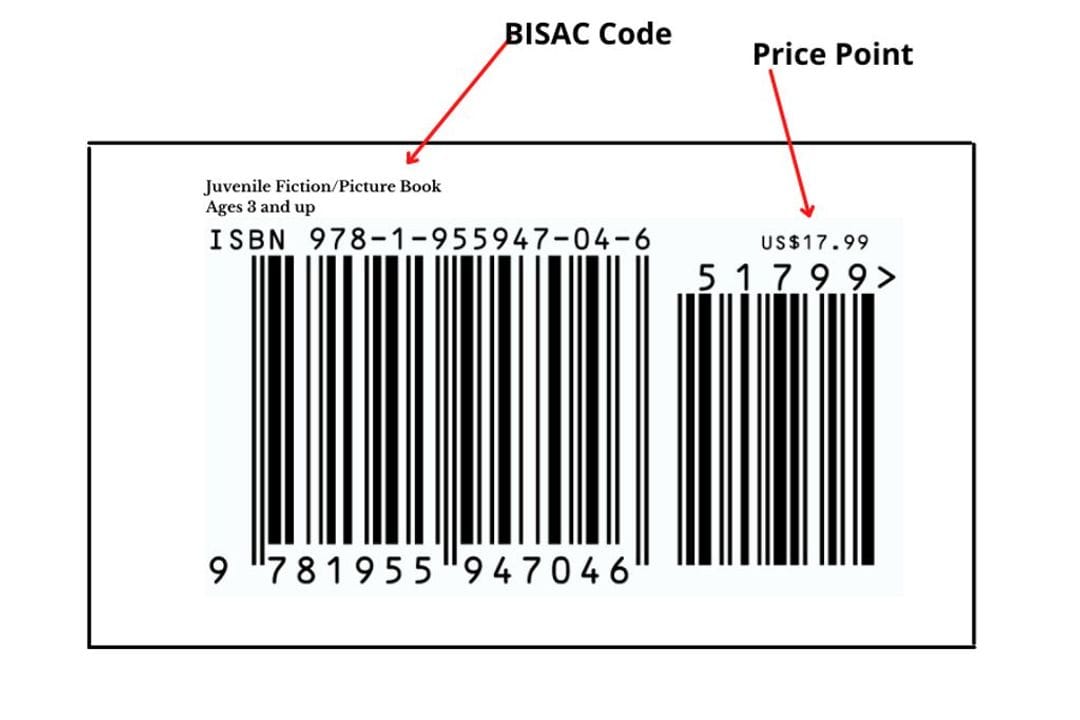
The remaining numbers are the book price. If the book price is four digits, it will show all four numbers. For example, a $17.99 book would be listed as 51799. If the book price is three \s\s digits, the fourth number will be replaced by a 0. For example, a $5.99 book would be listed as 50599.
Many large book retailers in the United States require barcodes with prices, as their price scanners cannot read barcodes without prices. While you’re at it, it’s not a bad idea to list the actual book price on your barcode so readers can easily find it. Take a look at the example below:
What are BISAC codes?
BISAC stands for Book Industry Standards and Communications. BISAC Codes are industry approved subject codes that tell retailers how to classify a book. BISAC Codes are a system of numbers with approved subject headings. Many book barcodes also list BISAC Subject Headings. For example, JUV002070 stands for "JUVENILE FICTION / Animals / Dogs". This heading is what should be placed on a barcode. For more information on BISAC Codes, head over to BISG.org.
How to get a book barcode?
In order to get a barcode, you will first need to get an ISBN. Once you have that, head on over to a free barcode generator.
Pro Tip: barcodes can be created for free. Never let anyone charge you to create one!
 Related articleHow Much Should You Charge for Your Self-Published Book?Publishing your own book can be an expensive venture. There are lots of costs, big and small. But in order to do the math on if you can break even—or hopefully make money—you need to know more than what you’re going to spend. You also need to know what you can make! Which all starts with how much you’re selling your book for!Read the article →
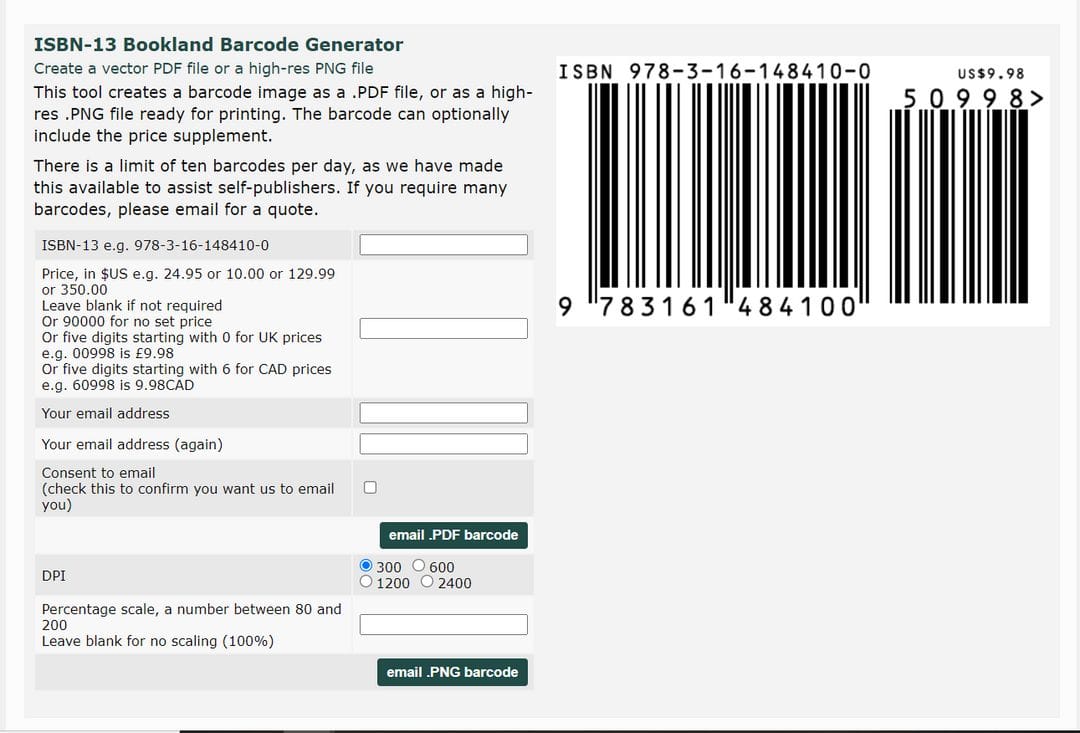
Barcode generators typically only require two pieces of information: ISBN and book price. Once those are submitted, a barcode will be automatically generated.
Below is an example of a barcode generator from bookow.com:
Three of the top free barcode generators are:
Pro Tip: When generating a barcode, make sure to download it at 300 dpi or larger.
Where are book barcodes placed?
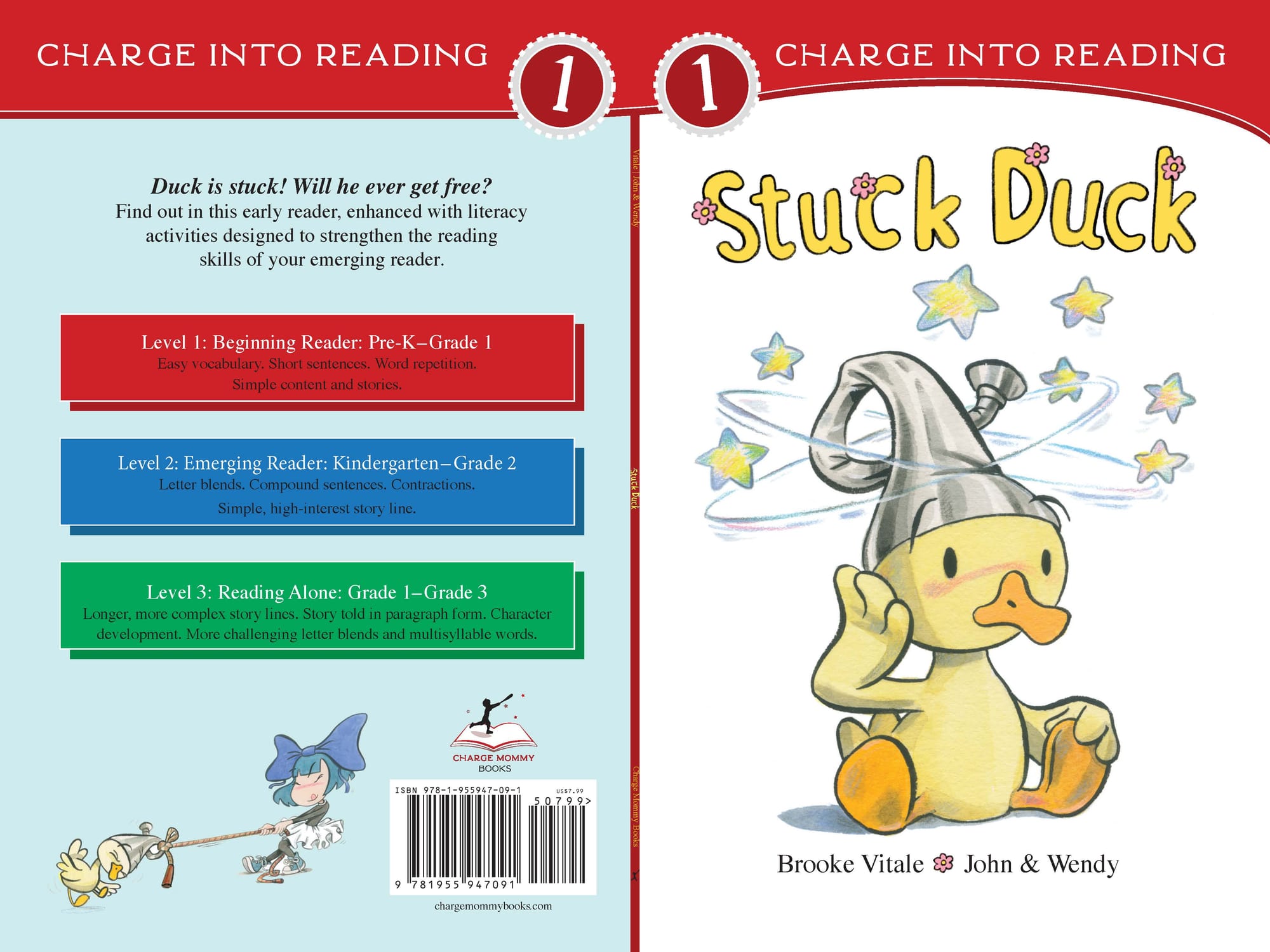
Barcodes are placed on the book back cover. Traditionally speaking, they go in the bottom right corner of the back cover, but if bottom left or bottom center better matches your book cover design, that is fine.
Take a look at this example:
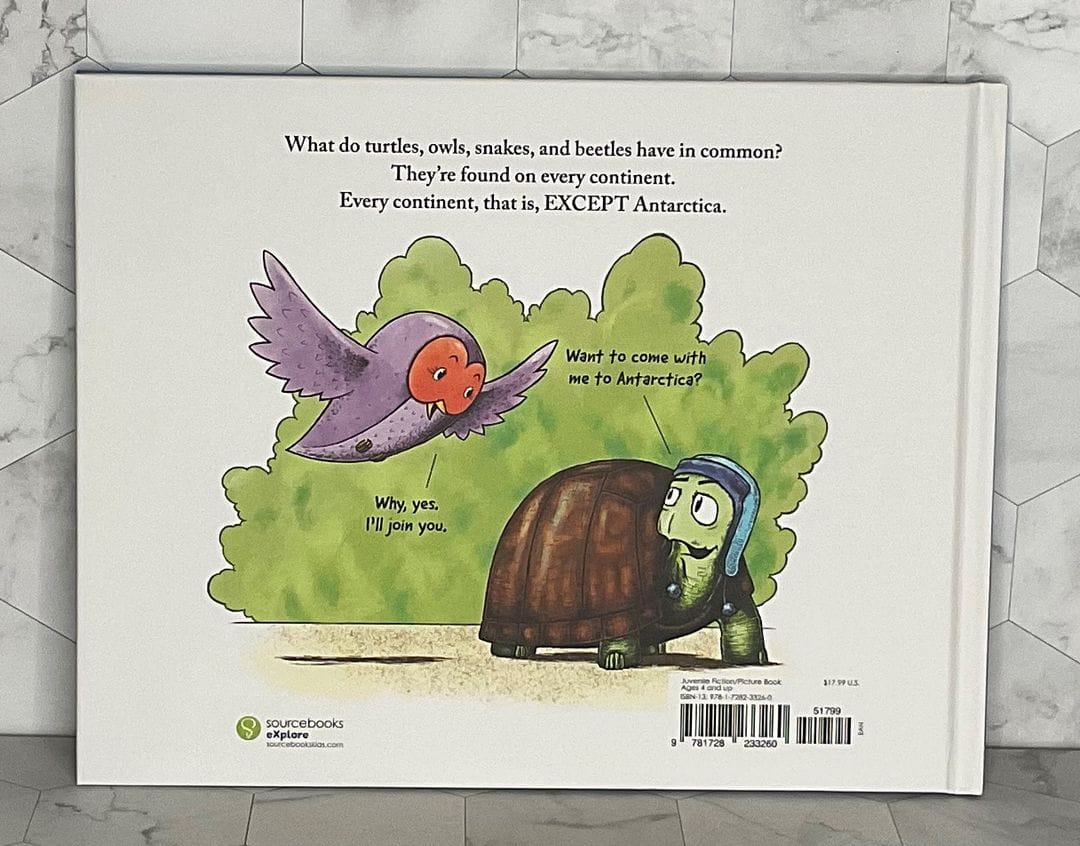
Note: If you are self-publishing a book through a print on demand service, the printer will generate and place the barcode for you. Their default placement is the bottom right corner. If this is not where you want the barcode to go, ask the book designer to leave a 2″ x 1.2″ white square on the back cover to indicate where the barcode should go.
Pro Tip: A barcode should be placed on the cover at 100% of the size it was created or else the price scanner will not read it properly.
 Related articleBook Back Cover: 6 Steps to a Back Cover that ConvertsHow to write and design a book back cover, featuring a step-by-step guide, free book back cover design templates, and back cover examples for all genres.Read the article →
 Related articleParts of a Book: Front Matter, Body, and Back Matter ExplainedParts of a book explained, including front matter, back matter, and body of a book. A guide to what the parts of a book are with visual examples.Read the article →