What Is a Picture Book and What Makes a Great Picture Book!
Contents
Picture book definition
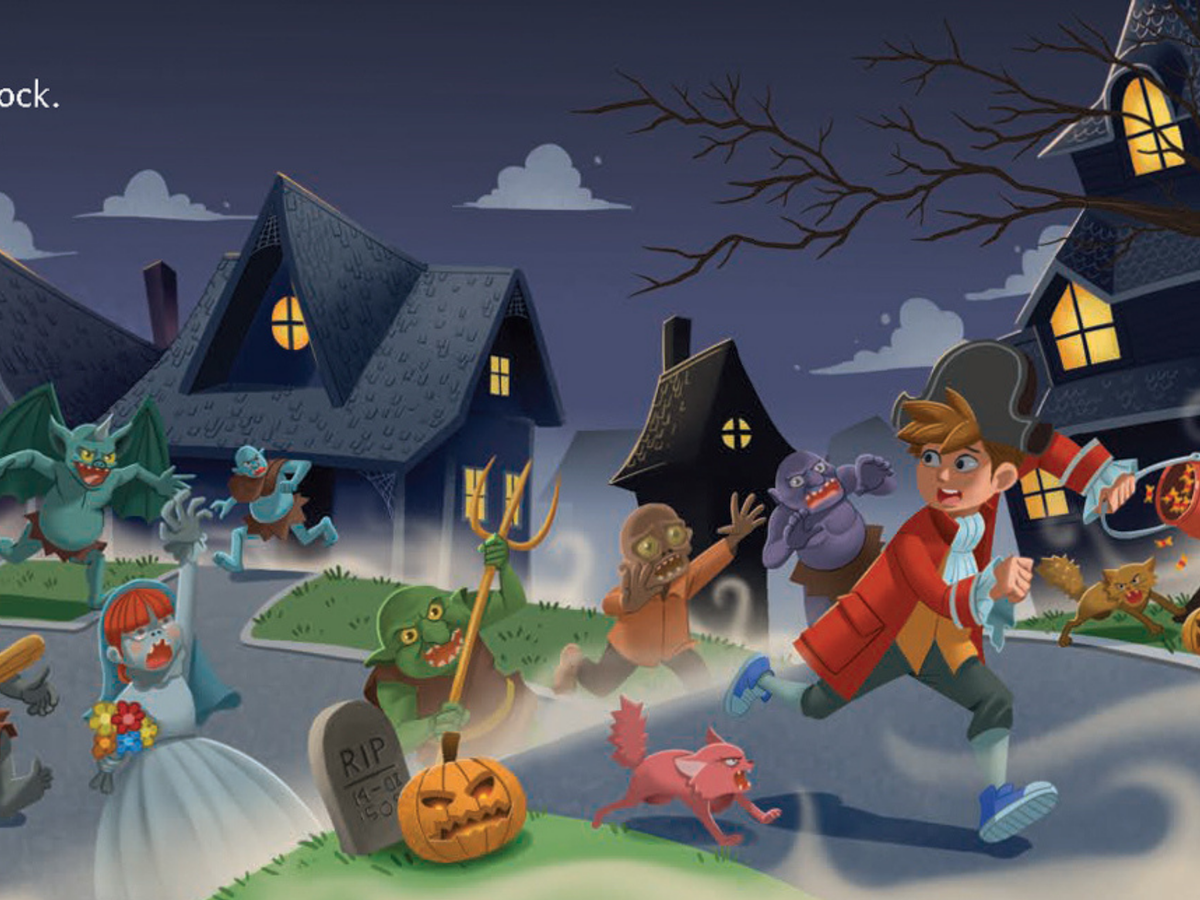
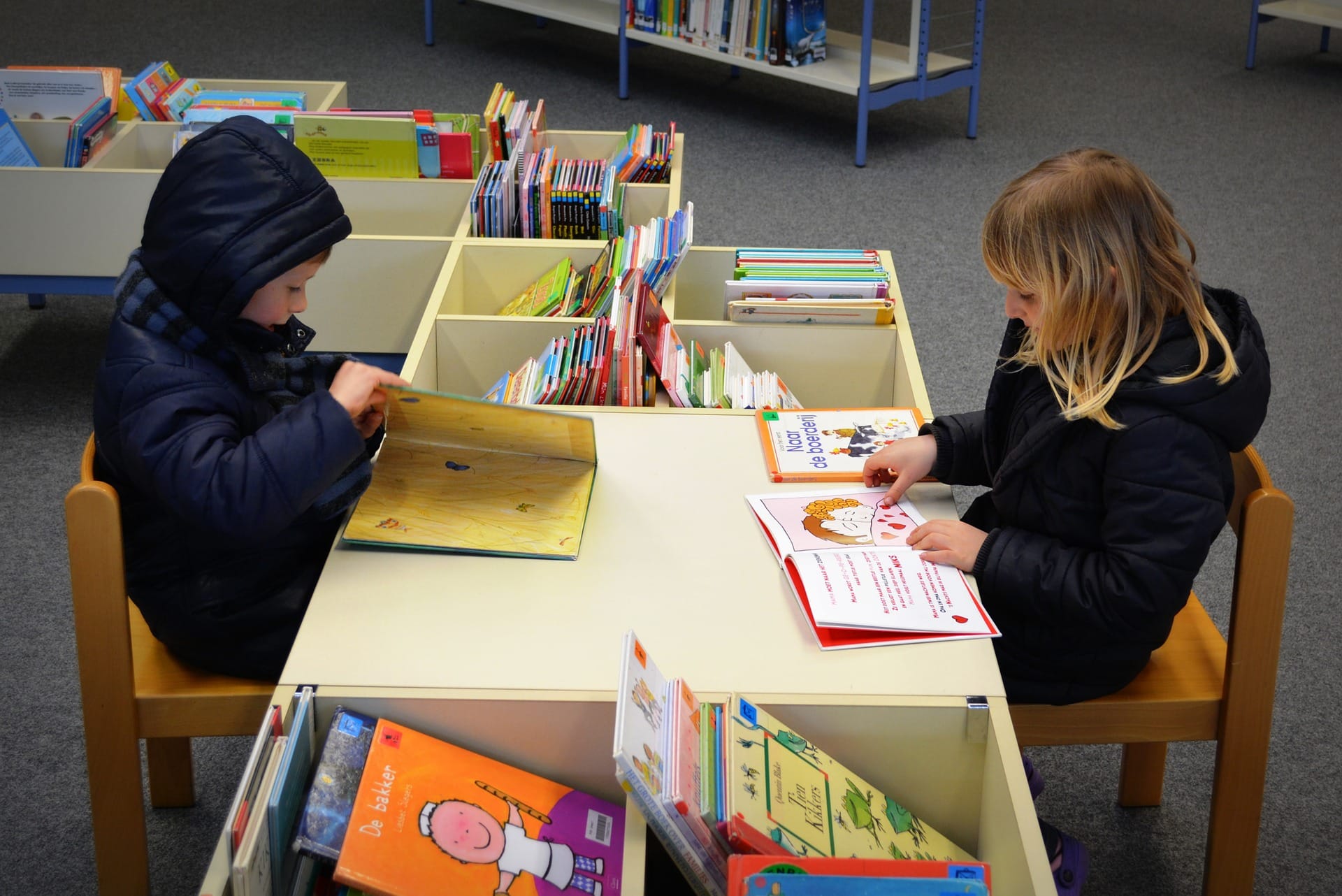
A picture book is a story intended for the youngest of readers, in which the illustrations and the text work together to tell the story. Picture books are usually read to children, not by children. They are meant for children who are not yet able to read, and help them develop a sense of storytelling, plot, and language recognition. Picture books have illustrations on every page because looking at art helps with story comprehension and understanding that words have meaning. The illustrations also help children contextualize text by giving visual cues to the meaning of the words on a page. In addition, picture book illustrations strengthens a child's observation skills, as there is often more happening in the art than stated in the text. But understanding the definition of a picture book is not the same as understanding essential elements that make a great picture book: picture book word count, age range, and page count to name a few. So let's take a look at what makes a good picture book!
Picture book age range
Picture books are primarily intended for children aged 3-7! That one piece of information guides everything else in your book: word count, trim size, and plot. This, above all, is the thing I see authors get wrong when they tell me about their book. I have had people tell me their books is for ages 0-3, and others tell me it is for ages 3-10 (and beyond!) While it’s entirely possible that anyone in that age range might read the book, 0-3 is truly too young, and 3-10 is far too broad.
That being said, it is certainly true that some picture books skew older. You might find a book targeted up to 8 years old, but those books tend to be either nonfiction or about far more complicated subject matter than your standard picture book, and are often books used for classroom learning. Why? Because by eight years old, a child is reading independently—often chapter books. Most eight-year-olds would not want to be seen with a picture book, if for no reason other than fear of feeling babyish. So, while it’s fine for classroom learning, where large books and large pictures make for easier sharing, it’s unlikely to be picked up by parents.
Speaking of parents, don’t forget that while your book is written for children, it does have a secondary audience: the adult reading the book. Picture books walk a fine line between a story that is enjoyable for a child and one that has enough for an adult to make them willing to read it again and again. Keep in mind that while older books are selected by the child, picture books are selected by the parent!
 Related articleChildren's Book Target Audience: Age Range, Page Counts, & ThemesWriting a children's book can be challenging, but so can figuring out which book format category it falls into. Is your book a picture book? An early reader? A chapter book? Figure it out with this easy-to-use cheat sheet!Read the article →
What are the types of picture books?
Nonfiction picture books
Nonfiction books are books based on facts, real people, or real events. For picture books, a nonfiction title is often based on one of three things:
- A historical event
- A biography of an important person
- An examination of the natural world (a look at a particular animal or grouping of animals; a look at a particular habitat) And sometimes these cross over. Take, for example, Schomberg: The Man Who Built a Library by Carole Boston Weatherford:
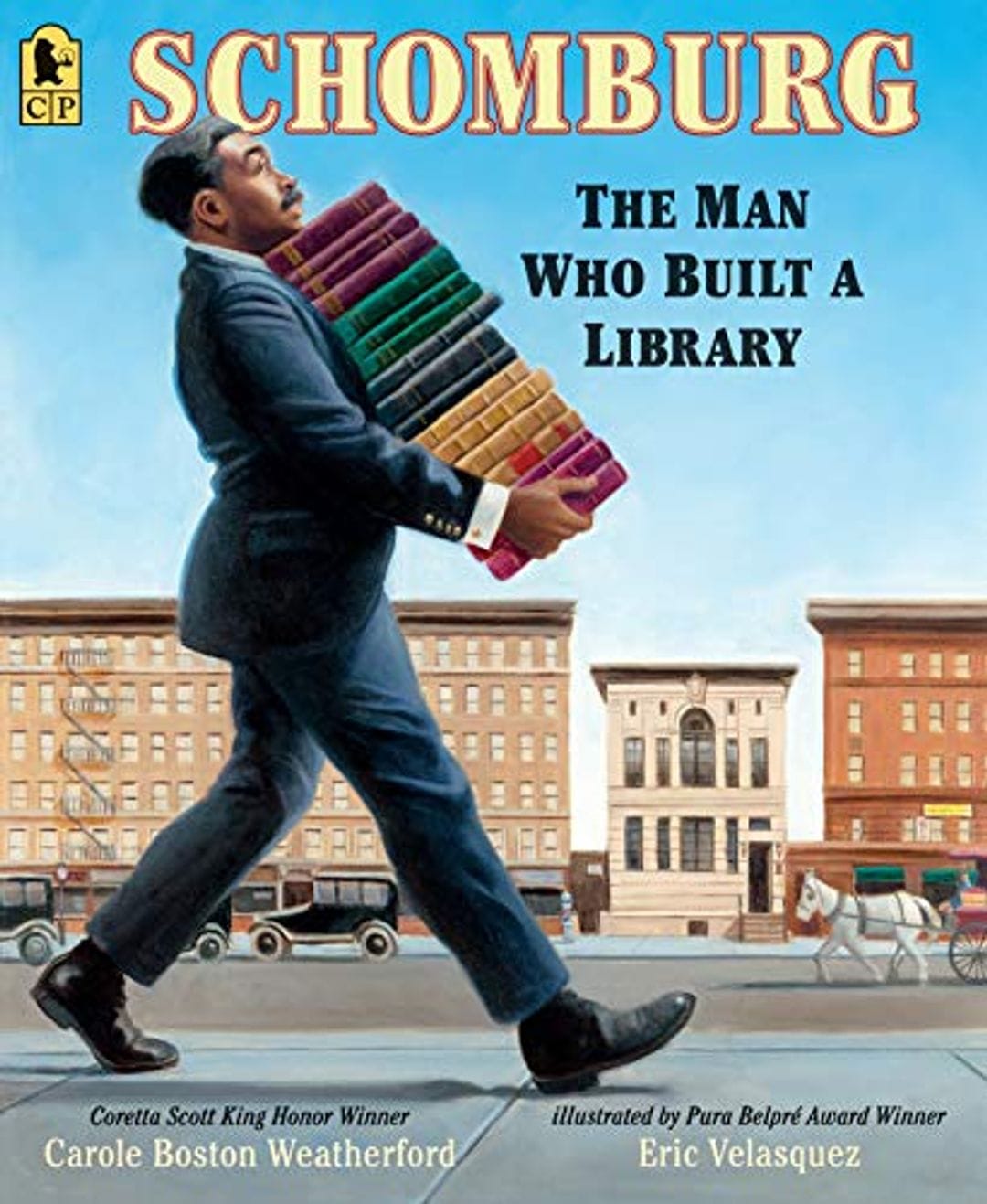
This book is biography of a man. But it is also the history of an important event: the creation of the New York Public Library. And of course, there are few picture book authors out there that haven't read I Dissent by Debbie Levy, a picture book biography of Ruth Bader Ginsburg.
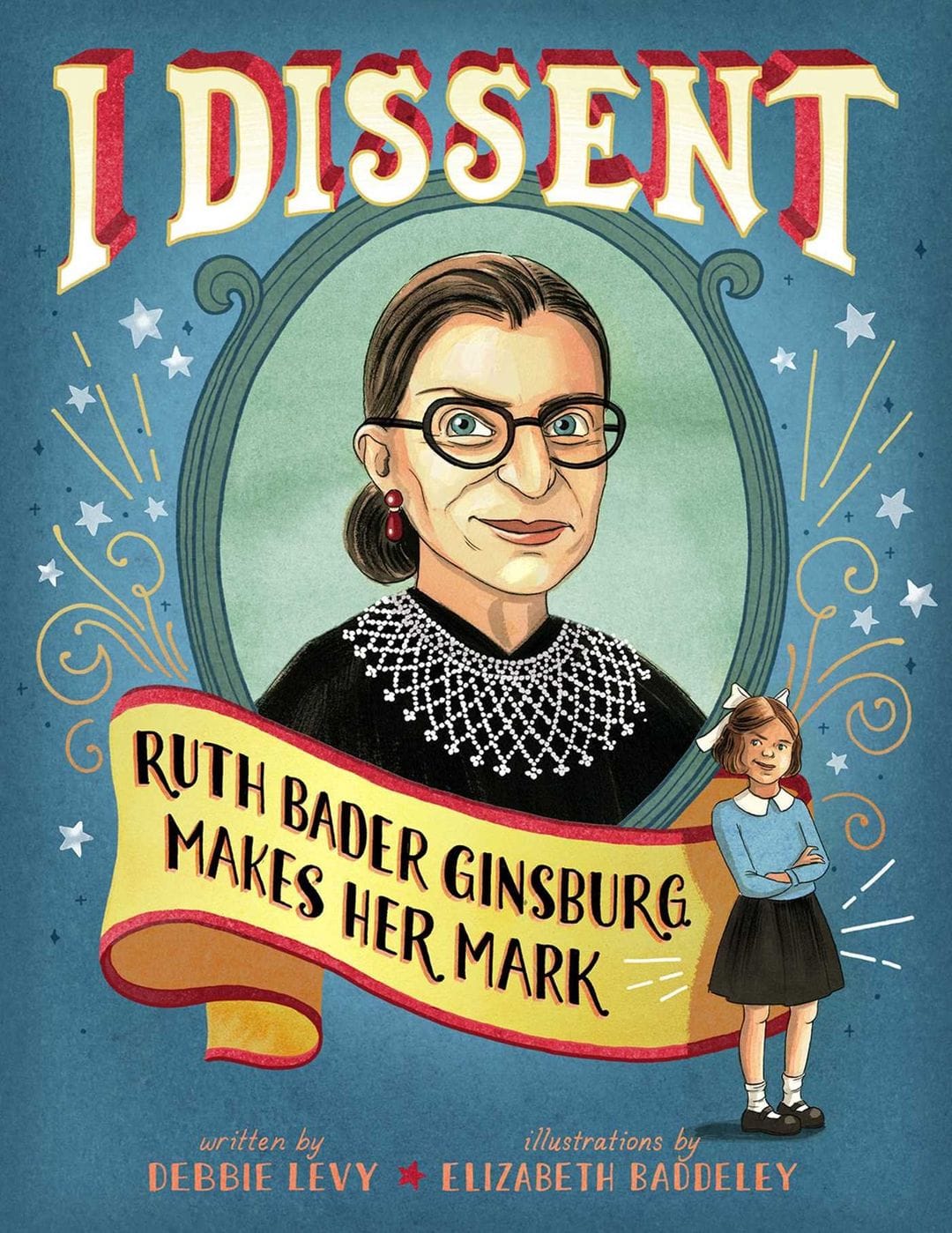
But of course, with a book, any topic is fair game, so long as it's something that will interest a child in the right age range.
Concept picture books
These are books that teach early concepts, and are one of the most popular picture book themes. They are used by the youngest of readers as a teaching tool. Among the most common concept picture book themes are:
- Alphabet books
- Colors
- Numbers
- Shapes
Sometimes concept books simply list the concept being shown. Other times they are worked around a story. Take for example the pic Chicka Chicka Boom Boom By Bill Martin, Jr. and ABCD Eat! by Bill Heck.
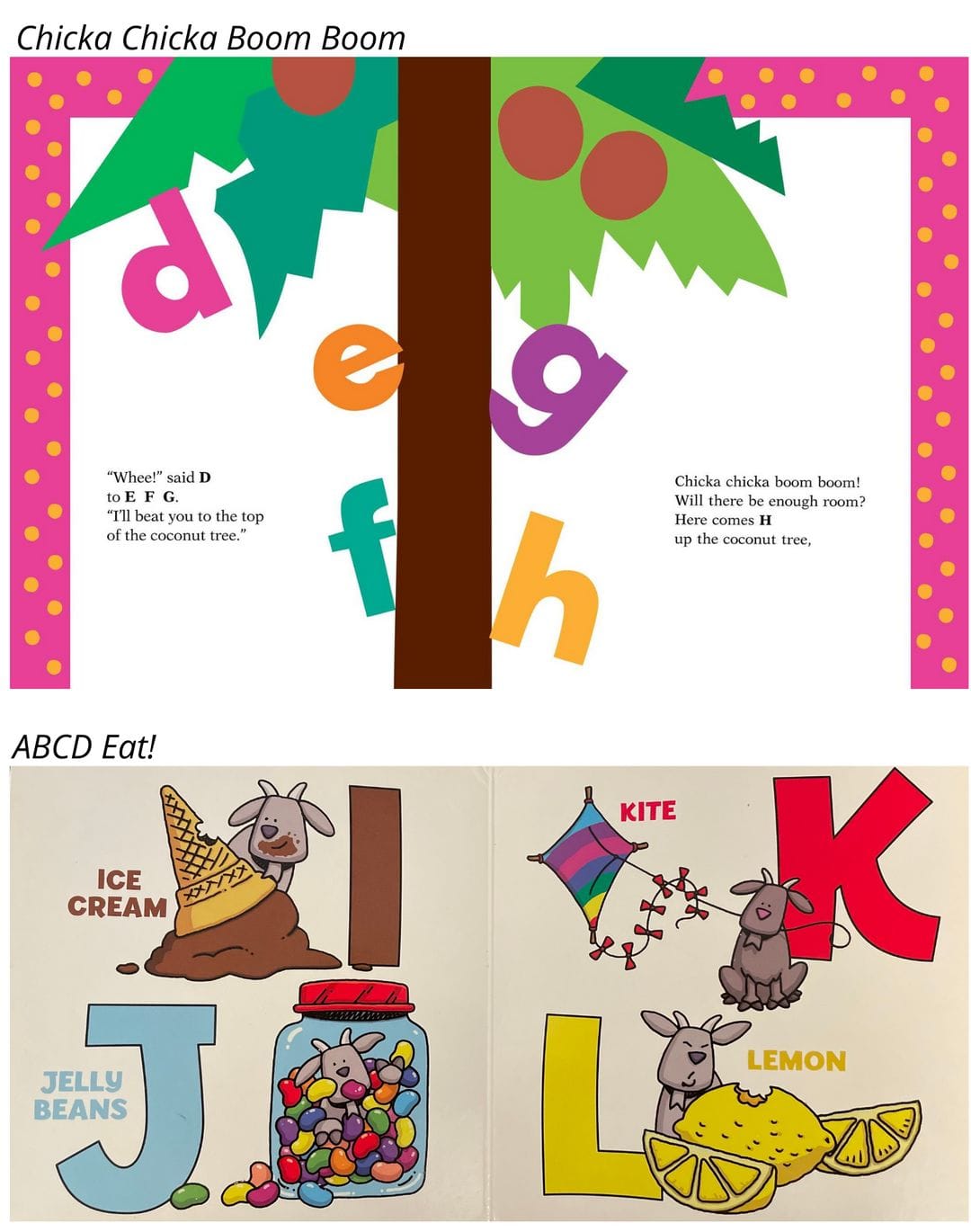
Chicka Chicka Boom Boom introduces the letters through a story about them climbing a coconut tree, while ABCD Eat! simply lists a word that starts with each letter. Neither approach is better or worse, they are simply different takes on the same concept.
Poetry picture books
Picture books can be full stories written in rhyme (more on that later), a collection of poems by a single author on a single theme, a collection of poems by a single author on an undefined theme, or a collection of poems by several authors. Here's a great example from Just Like Me by Vanessa Brantley-Newton.
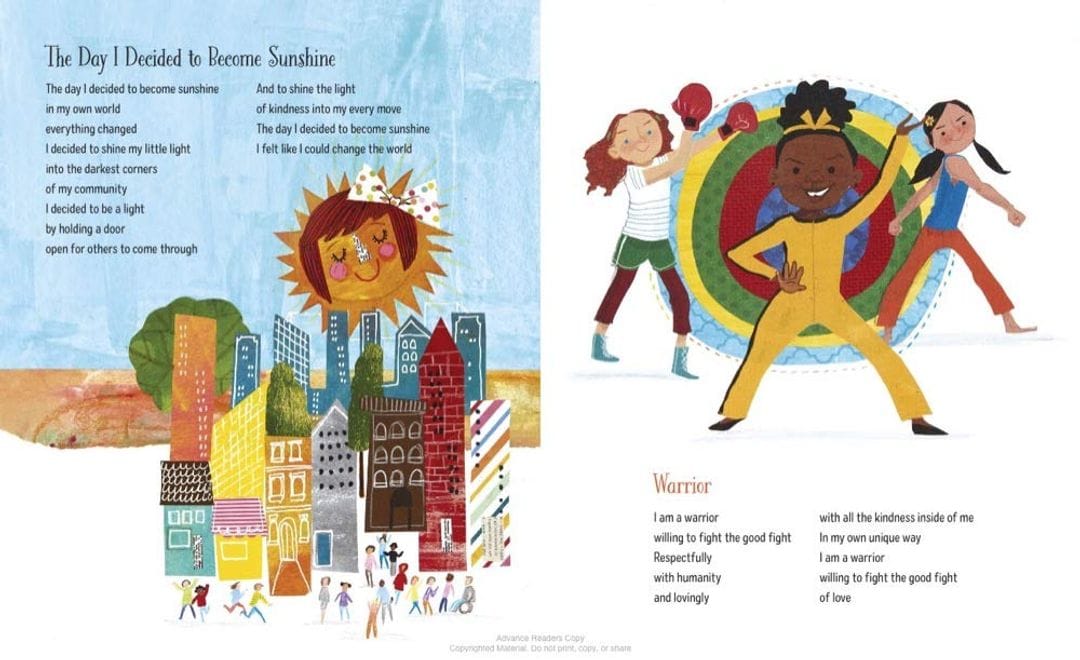
Here you can see that each page is its own poem, each tied to the central theme of the book.
Fiction picture books
Fiction means you're making up a story. This is the most common kind of picture book, and when it comes to what it can be about, the sky's the limit. There is no reason you can’t write about whatever makes you—or your children—happy. But again, keep in mind your target audience. Children of this age are still learning about the world, so picture books, no matter how serious or whimsical, tend to present situations and characters young children can understand and relate to. This is why subjects such as farm, bedtime, friendship, and ABC are perennially popular. One of the first things we teach our kids is what sounds animals make, so this is a subject matter they are familiar with and can relate to. A book about a class test, on the other hand, won’t be something a four-year-old who has never been in school can understand.
Who should a picture book be about?
This again comes down to what kids can understand and relate to. And the answer is that they can relate to themselves! That is why so many picture books are about children. Just keep in mind life experience. A four-year-old can’t relate to a ten-year-old’s life, so try to keep your protagonist in the same age range as your reader.
These days, publishing companies prefer to have picture book protagonists who are human. But for authors who intend to self-publish, the sky’s the limit: is your main character an animal? A monster? A vegetable? Whoever your story is about, have fun with it!
Picture book word count
Traditional guidance says picture book word count should not exceed 1,000 words. And, in fact, this is the cap that many agents put on manuscripts. If your book is longer than 1,000 words, they won’t even review it. In reality, the sweet spot is closer to 500-700 words.
Keep in mind when writing your book that picture books are meant to be read aloud. When picture book word count exceeds 1,000 words, books tends to become cumbersome, often taking too long to read. If you are a parent, think about those books you read to your kids at night. How often have you said, “Not that one. It’s too long.” No matter how great your story is, if a parent feels like it’s too long, they won’t want to read it. And remember, at the end of the day, they are the ones purchasing the books. So how do you cut your picture book when it’s too long? There are lots of ways, but one of the key ones is to look at the language itself. Is it too flowery? Are you describing what a reader can see in the art. The key difference between a picture book and a longer book is that the art tells the story, too. If we can see something in the art, we usually don’t need to read it in the text.
 Related article5 Steps to Cut Text in a Picture BookYou've written your picture book, but it's coming in well over 1,000 words. So what do you do now? How can you trim it down to an acceptable length when you think your book is perfect as-is?Read the article →
Picture book sizes
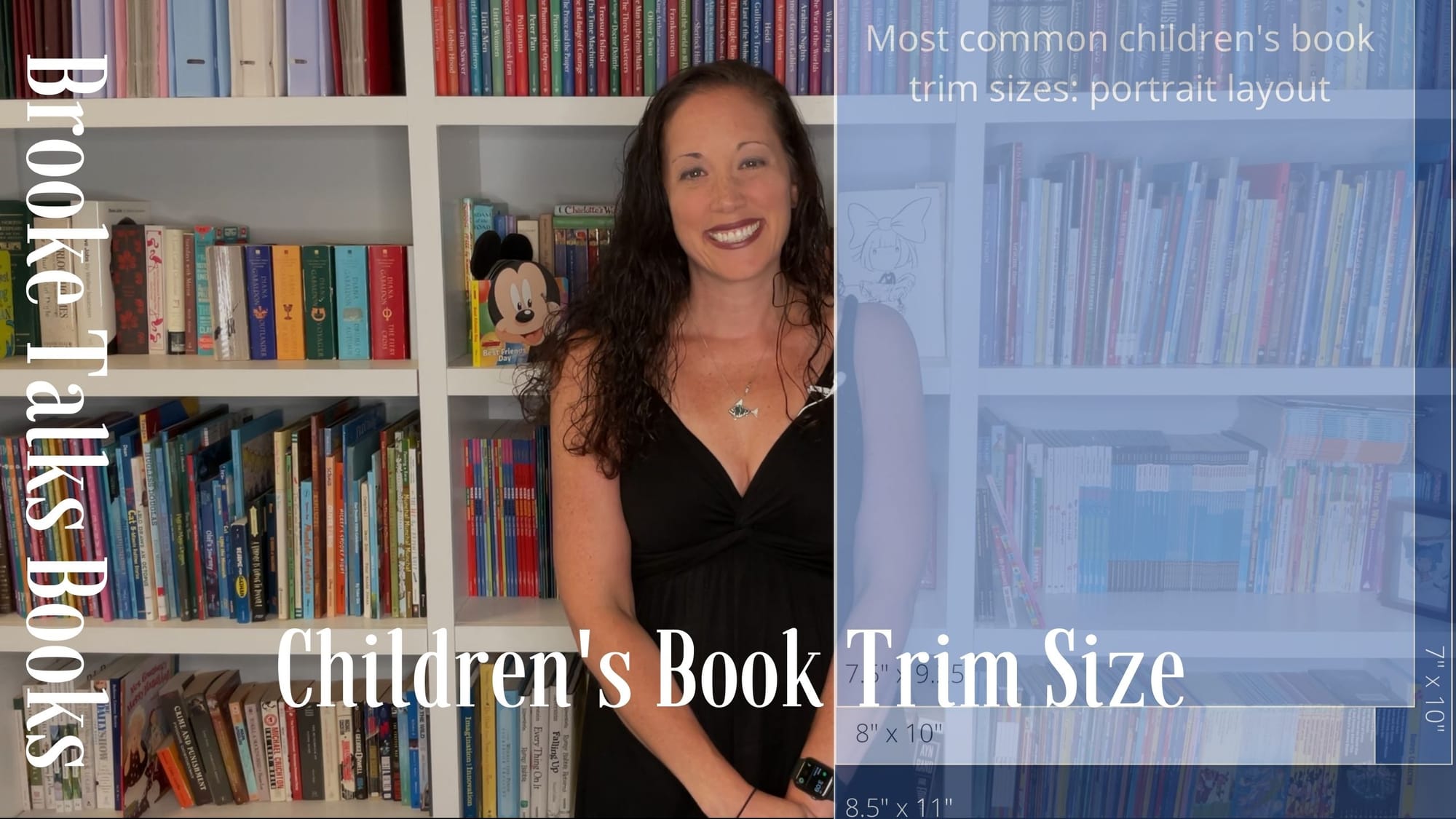
Picture books can truly be any size you want. They can be square, portrait, or landscape. As you move toward figuring out trim size, just remember that a picture book is meant to be read aloud. Whether that is two people holding it across their laps or a someone showing it off from the front of a classroom or library, the book needs to be seen. If you go too small, you run the risk of not making it sharable.
 Related articleWhat Are The Best Children's Book Sizes | Standard Book SizesA detailed look at standard book sizes, including children's book sizes, picture book sizes, kdp book sizes, with templates and examples.Read the article →
Should a picture book be written in past tense or present tense?
Most picture books are written in past tense. That is because they skip around in time. Present tense works well in books for older readers because we can get inside a narrator’s head and find out what we missed. But with picture books, that’s not usually an option. Present tense is great if the entire story is told without any time lags, but if you are jumping around at all, it will likely read better in past tense.
How about first person versus third person?
Although there are absolutely exceptions, most picture books are written in third person. Why? Again, it comes down to the audience. Young children love to hear stories, but many don’t have the imagination yet to picture themselves in the story. Setting in first person makes the reader feel like a character. Their imaginations must immerse them in the story. Using third person allows them to enjoy a story as an observer, which they are more accustomed to doing. First person also limits what the reader can see and know to what their narrator sees and knows. Third person gives a bit more flexibility, as the whole world isn't seen solely through the narrator's eyes.
Picture book page count
Generally speaking, picture books are 32 pages long, although they can also be 24, 40, or 48 pages. If you plan to print using an offset printer, it’s imperative that you stick to one of these page counts. If you plan to print on demand, page count is up to you (although sticking to generally accepted norms is never a bad idea.) Just make sure to check the requirements of the company printing your book to ensure the page count meets their specifications.
 Related articleChildren's Book Printers: The Children's Book Printing BibleThe essential guide to hardcover children's book printing, offset book printing and a vetted list of children's book printers for hardcover book printing.Read the article →
What are the elements of a picture book?
Picture book length
Picture books are traditionally 32 pages. The way those pages are set up typically follows a particular order and particular guidelines.
Picture book front cover
Your book cover should list your title (ideally in the top third of the book) as well as the author and illustrator name. Standard practice is to cite the author simply by name, while citing the illustrator as "Illustrated by"
Picture book spine
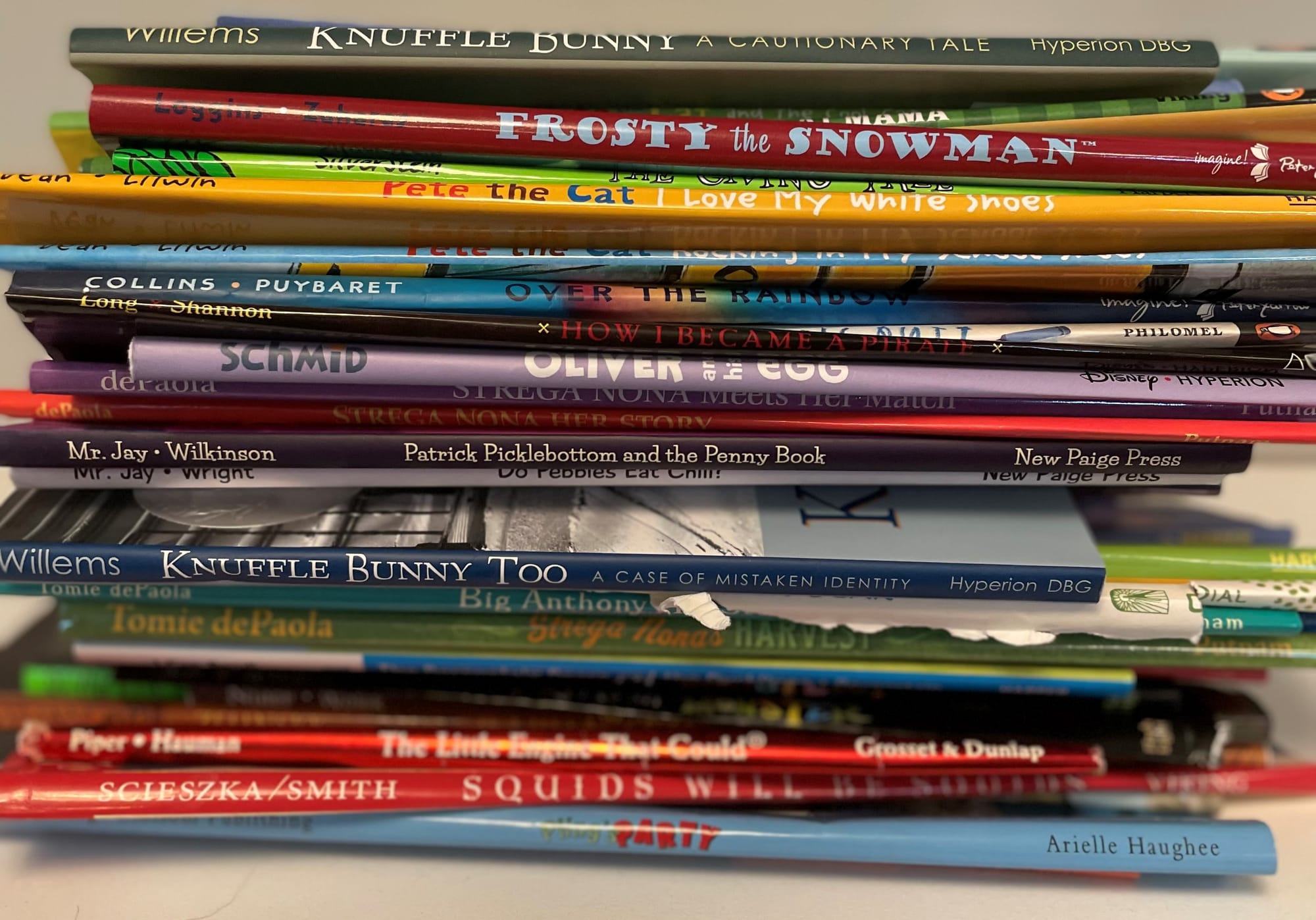
The spine of your book is the part that faces out when a book is on the shelf. It should feature 3 elements, running from top to bottom:
- Author/illustrator last name
- Title
- Company or imprint name (larger publishing companies are broken into several divisions, each with their own unique acquisition list and personality. Each section is called an imprint.) Spine text should be set with the bottom of the letters facing the back cover.
Picture book back cover
 Related articleBook Back Cover: 6 Steps to a Back Cover that ConvertsHow to write and design a book back cover, featuring a step-by-step guide, free book back cover design templates, and back cover examples for all genres.Read the article →
The back cover of a book should contain your book description (also called cover copy or book blurb). If you are not including a dust jacket, you may also want to include an author bio on the back cover, as well as your price.
 Related articleWhat Is a Dust Jacket and Does a Hardcover Book Need One?When it comes to children's book publishing, there are a lot of decisions to make. Not the least of which is whether print a children's book with a dust jacket. So, what are the benefits of a book jacket. What are the drawbacks. And at the end of the day, is a book jacket worth having? Ultimately, only you can answer that, but not without some extra information!Read the article →
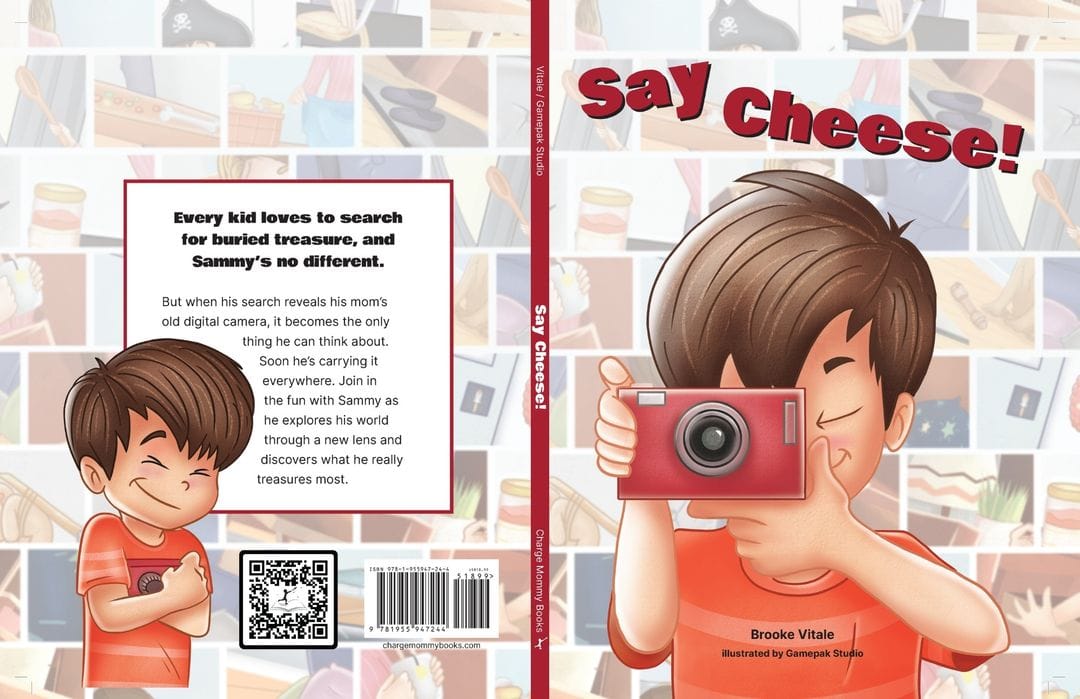
Below is a book case example from my picture book Say Cheese published by my publishing company Charge Mommy Books. On sale now!
Book end papers (or end sheets)
Opening a hardcover picture book, the very first thing you will see are the end papers (or end sheets). These are the pages that glue the inside of the book (the book block) to the cover. If you are using print on demand, they will always be white. If you are using an offset printer, they can either be a color or can feature art. End sheets don't count toward the page count of your book, but rather are an additional 8 pages. They are only used in a hardcover book.
 Related articleHardcover Book End Sheets and How End Pages Impact Book LayoutBook end sheets, or book endpapers, are the end pages that hold the cover of a hardcover book to the interior pages. They are the first thing a reader sees when they open a book cover and can add an extra level of luxuriousness to a book. But what are book end pages, and when it comes to adding them to a book, what are the options?Read the article →
The book block
This is the bulk of your book. It starts at the title page and goes through the last page of your story. These are the pages that make up the page count you list for any picture book. The order of pages here can vary, and it's up to you as the author to decide what feels right for your book, but the first few pages generally include the Title Page, Copyright page, and Dedication. Collectively, these pages are called the front matter of the book.
 Related articleParts of a Book: Front Matter, Body, and Back Matter ExplainedParts of a book explained, including front matter, back matter, and body of a book. A guide to what the parts of a book are with visual examples.Read the article →
Some publishers will also use a half title page, which means the title of your book without the name of the publishing company, author, or illustrator listed. This is usually a good way to fill pages if you want your story to start on a spread.
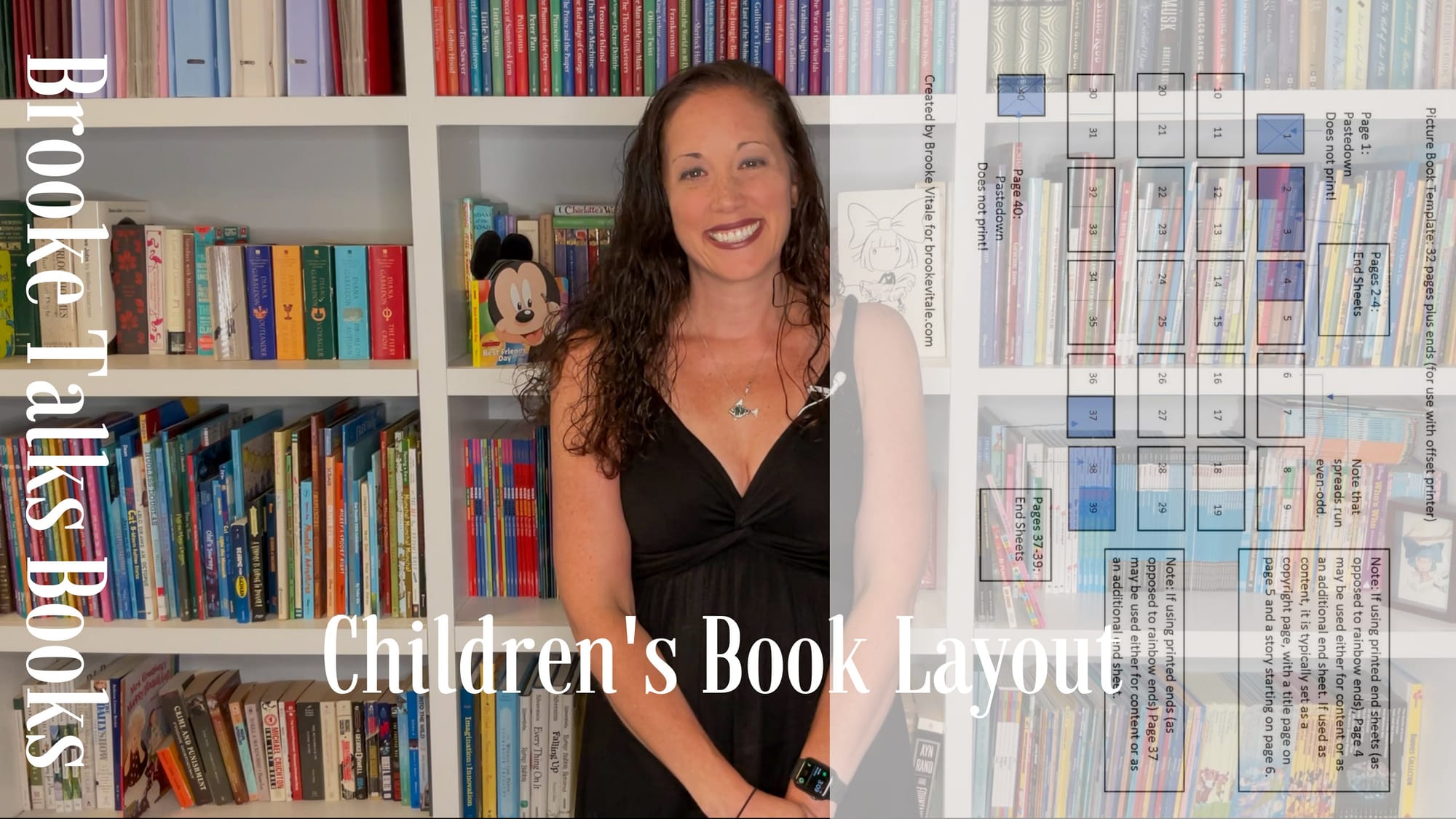 Related articleA Template for Children's Book Layout, Pagination & DesignThis easy-to-follow children's book layout template will guide authors through picture book layout and story pacing, with sample 32 page picture book template.Read the article →
With all of these pieces in place, you should be well on your way to creating a great picture book. Just remember, always keep one question in mind above all others: WHO IS MY BOOK FOR? If you can answer that, everything else will fall into place!
 Related articleHow to Master Self-Publishing a Children's Book in 10 StepsThis step-by-step guide will teach you how to self-publish a children's book. Features the 10 elements of self-publishing, and includes a printable checklist.Read the article →